




The Ultimate Car Camping Checklist (Free Printable PDF)
July 15, 2026

A complete car camping checklist is one of the best ways to ensure every adventure gets off to the right start. There’s nothing quite like loading up your vehicle, leaving the pavement behind, and waking up surrounded by nature. Whether you’re planning a weekend in a national park, exploring remote forest roads, or simply escaping the city for a night under the stars, car camping offers an incredible balance of comfort, convenience, and adventure.
Unlike backpacking, car camping allows you to bring the gear that makes camp feel like home. Comfortable sleeping arrangements, a complete camp kitchen, extra clothing, recovery equipment, and even luxuries like portable power stations or rooftop tents are all within reach when your vehicle is your basecamp. The only downside? It’s surprisingly easy to forget something important.
A missing headlamp, an empty propane cylinder, or even your vehicle registration can quickly turn an exciting trip into an unnecessary headache.
That’s why we’ve created this comprehensive car camping checklist.
Built from years of real-world camping experience, this guide covers everything from planning and vehicle preparation to sleeping gear, cooking equipment, safety essentials, recovery tools, and rooftop tent accessories. Whether you’re driving a car, compact crossover, SUV, pickup truck, Jeep, or a fully outfitted overland vehicle, this checklist will help you pack with confidence and spend more time enjoying the adventure.
Be sure to bookmark this page before your next trip, and don’t forget to download the free printable PDF checklist near the end of this guide so you’ll always have a packing list ready whenever adventure calls.
Jump to a Section
Before You Leave Home Car Camping Checklist
Packing your camping gear is only half the preparation. Before loading the vehicle, take a few minutes to make sure the logistics of your trip are in order. Confirm campground reservations if you’ve made them, especially if you’re staying at a popular destination through Recreation.gov, check local weather forecasts, review current fire restrictions, and download offline maps in case you lose cell service.
If you’re venturing into remote areas, it’s always a good idea to let a friend or family member know where you’re going and when you expect to return. A few minutes of preparation before leaving home can prevent hours of frustration later.
Before You Leave Home Checklist
Don’t rely entirely on your phone for navigation. Download offline maps using Google Maps or a dedicated navigation app before leaving cell coverage. Paper maps are still worth carrying when exploring unfamiliar backroads or public lands.
Vehicle Inspection Checklist
Your vehicle is the foundation of every successful car camping trip. Whether you’re driving a daily commuter or a purpose-built overland rig, a quick inspection before leaving can help prevent mechanical issues far from the nearest town.
Start by checking all fluid levels, inspect your tires for proper inflation and visible damage, and confirm your spare tire is in good condition. Verify that your jack and lug wrench are present and that your battery is healthy, especially before longer trips into remote areas.
If your route includes forest service roads, BLM land, or other unmaintained trails, recovery gear becomes just as important as camping gear. Items like an air compressor, tire repair kit, tow strap, and recovery boards can quickly turn a difficult situation into a minor inconvenience.
Even if you’re only planning a weekend at a developed campground, spending ten minutes inspecting your vehicle before departure is one of the smartest habits any camper can develop.
Vehicle Inspection Checklist
💧 Fluids
🛞 Tires
🪢 Recovery Equipment
⚠️ Emergency Equipment
🔧 Vehicle Readiness
Walk around your vehicle one final time before pulling out of the driveway. Make sure storage bins are latched, loose gear is secured, roof-mounted equipment is locked down, and nothing has been left behind. This simple habit can prevent damaged gear, lost equipment, and unnecessary stops just a few miles down the road.


Shelter & Sleeping Gear Camping Checklist
A comfortable night’s sleep can make or break a camping trip. Whether you’re sleeping in a traditional ground tent, the back of your SUV, or a rooftop tent mounted to your vehicle, your sleep system should be built around comfort, warmth, and protection from the elements.
Start by choosing a shelter that’s appropriate for your destination and the season. Ground tents remain a great option for established campgrounds, while rooftop tents offer fast setup, elevated sleeping, and added protection from mud, uneven terrain, and standing water. No matter which shelter you choose, don’t overlook the smaller items that make a significant difference, such as quality pillows, warm blankets, and a sleeping pad or mattress.
Weather conditions can also change quickly. Even during the summer months, overnight temperatures in the mountains or desert can drop far below what many campers expect. Bringing an extra blanket, warm layers, and rain protection ensures you’ll stay comfortable regardless of the forecast.
Shelter & Sleeping Checklist
⛺ Shelter
😴 Sleeping System
🏕️ Rooftop Tent Essentials
🌧️ Weather Protection
If you’re camping multiple nights, crack a window or vent slightly while you sleep. Improving airflow helps reduce condensation inside both ground tents and rooftop tents, keeping bedding drier and improving overall comfort.
Camp Kitchen Essentials Checklist
One of the best parts of car camping is the ability to prepare real meals instead of relying on dehydrated backpacking food. With your vehicle nearby, you can bring a larger stove, cookware, fresh ingredients, and even luxuries like a French press or cast-iron skillet.
Keeping your kitchen organized makes camp setup faster and cleanup easier. Many experienced campers dedicate a single storage bin to cooking equipment so it’s always packed and ready for the next trip.
Think through each meal before you leave home. Preparing ingredients in advance, portioning spices, and creating a simple meal plan can save valuable time once you arrive at camp. Use this car camping checklist to ensure you are happy and full while out on the trail.
Camp Kitchen Checklist
🔥 Cooking Equipment
🍽️ Eating Supplies
🧼 Cleaning Supplies
🧂 Camp Cooking Extras
Pack your coffee supplies together in one small container. You’ll appreciate having everything you need in one place during those early mornings before the rest of camp wakes up.
Food & Water Checklist
Food planning is one of the easiest ways to simplify any camping trip. Instead of packing random ingredients, build a meal plan before you leave home and organize food by breakfast, lunch, dinner, and snacks. This reduces waste, saves cooler space, and makes meal preparation much faster.
Water is just as important as food. Even if your destination has potable water available, it’s wise to carry enough drinking water for the duration of your trip along with an emergency reserve. If you’re camping in remote locations, consider bringing a water filter or purification tablets as a backup.
Don’t forget to store food properly, especially when camping in bear country or areas with active wildlife. Keeping food sealed and secured protects both your supplies and the surrounding environment.
Food & Water Checklist
💧 Drinking Water
☕ Breakfast
🍽️ Lunch & Dinner
🧊 Snacks & Cooler
Freeze a few bottles of drinking water before your trip and use them in your cooler instead of loose ice. They’ll help keep food cold while gradually becoming fresh drinking water as they thaw.
Clothing & Personal Items
Packing the right clothing starts with understanding your destination, not just the forecast. Mountain weather can change quickly, desert temperatures often drop dramatically after sunset, and unexpected rainstorms can turn an enjoyable trip into an uncomfortable one if you’re unprepared.
Rather than relying on one heavy jacket, dress in layers. Layering allows you to adapt throughout the day as temperatures rise and fall while keeping your pack more organized.
Don’t overlook personal hygiene items either. A small toiletry bag with essentials can make longer camping trips much more enjoyable and help you feel refreshed after a day on the trail. Use this car camping checklist to ensure you are prepared.
Clothing & Personal Items Checklist
👕 Clothing
🥾 Footwear
🧼 Personal Care
Keep one complete change of clean clothes sealed in a dry bag or storage bin. If you get caught in an unexpected rainstorm or spend the day on dusty trails, having a dry set of clothes waiting at camp can make a huge difference.
Camp Comfort & Furniture
One of the biggest advantages of car camping is that you aren’t limited to carrying only what fits in a backpack and that reason is exactly why we made this car camping checklist. A few well-chosen comfort items can transform your campsite into a place where you’ll genuinely want to spend time after a day of hiking, fishing, mountain biking, or exploring.
Comfort doesn’t have to mean overpacking. Focus on the gear you’ll use every day, such as quality camp chairs, a sturdy table for cooking, and shade for relaxing during the hottest part of the afternoon. If you’re camping with family or friends, these small additions often become the most appreciated pieces of gear you bring.
For longer trips, a little extra comfort goes a long way. Taking time to create an organized, functional campsite makes meals easier, evenings more enjoyable, and mornings less rushed.
Camp Comfort Checklist
🪑 Seating & Dining
☀️ Shelter & Shade
😌 Relaxation
📦 Campsite Organization
Store similar gear together in labeled bins. Having one bin for cooking equipment, another for sleeping gear, and another for camp comforts makes packing faster and helps you find what you need without unpacking the entire vehicle.

Power & Electronics
Modern camping doesn’t have to mean disconnecting completely. Whether you’re charging a smartphone for navigation, powering a portable refrigerator, editing photos from the day’s adventure, or keeping lights on around camp, having a reliable power solution makes your trip more enjoyable and more convenient.
Portable power stations have become increasingly popular because they provide clean, quiet power without the noise or maintenance of a traditional generator. Combined with portable solar panels, they can keep essential electronics running for days while allowing you to camp farther from developed campgrounds.
Before leaving home, make sure every rechargeable device is fully charged and bring the appropriate cables for each one. It sounds simple, but forgotten charging cords are one of the most common camping mistakes.
Power & Electronics Checklist
🔌 Power
💡 Lighting
📱 Electronics
📡 Emergency Communication
Charge every battery the night before your trip—even the ones you think are still full. Label spare batteries with the date they were last charged so you always know which ones are ready to go.
Recovery Equipment
If your adventures take you beyond paved roads, recovery equipment becomes just as important as your camping gear. Even well-maintained forest service roads can become muddy after rain, sandy in the desert, or covered with loose gravel that reduces traction.
You don’t need to tackle difficult off-road trails to justify carrying basic recovery equipment. A tire puncture, dead battery, or getting stuck in soft sand can happen almost anywhere.
Carrying the right tools—and knowing how to use them—can save hours of frustration and potentially prevent an expensive tow from a remote location.
Recovery Gear Checklist
🛞 Tire Equipment
🚙 Vehicle Recovery
🛠️ Emergency Repairs
Keep recovery gear somewhere you can reach without unpacking your campsite. If your vehicle gets stuck, the last thing you want to do is unload coolers, storage bins, and camping gear just to reach your recovery boards.
Safety & Emergency Gear
Every camping trip is different, but safety should always be part of your planning. Whether you’re staying at a developed campground or exploring remote public lands, carrying basic emergency supplies prepares you for the unexpected and provides peace of mind for everyone in your group.
A well-stocked first aid kit should always be within easy reach, and it’s worth taking a few minutes to familiarize yourself with its contents before your trip. Small injuries like cuts, burns, splinters, and blisters are far more common than major emergencies, but having the right supplies nearby makes them much easier to manage.
If you’re camping far from cell service, consider carrying a satellite communicator or personal locator beacon. These devices can provide a critical lifeline in emergencies where traditional communication isn’t available.
Safety Checklist
🩺 First Aid
🚨 Emergency Supplies
🐻 Wildlife Awareness
🌦️ Weather Protection
Before every trip, look up local fire restrictions, wildlife advisories, and weather alerts for the area you’ll be visiting. Conditions can change quickly, especially during wildfire season, and knowing what to expect before you arrive helps you pack appropriately and camp responsibly.
Navigation & Trip Planning
Getting to camp is only part of the adventure. Once you’re away from highways and towns, reliable navigation becomes increasingly important. Cell service can disappear without warning, making offline maps and backup navigation tools invaluable.
Download maps before leaving home, mark important locations such as fuel stations and emergency exits, and keep a paper map in your vehicle for longer trips into remote areas. If you’re exploring unfamiliar trails or camping on public lands, research current road conditions through the U.S. Forest Service before you leave, and always have an alternate route in case closures, weather, or seasonal conditions affect your travel plans.
Save your campsite as a waypoint before leaving it for a hike or scenic drive. Returning after dark becomes much easier when you can navigate directly back to camp, even if nearby roads and trails look unfamiliar.

Rooftop Tent Car Camping Checklist
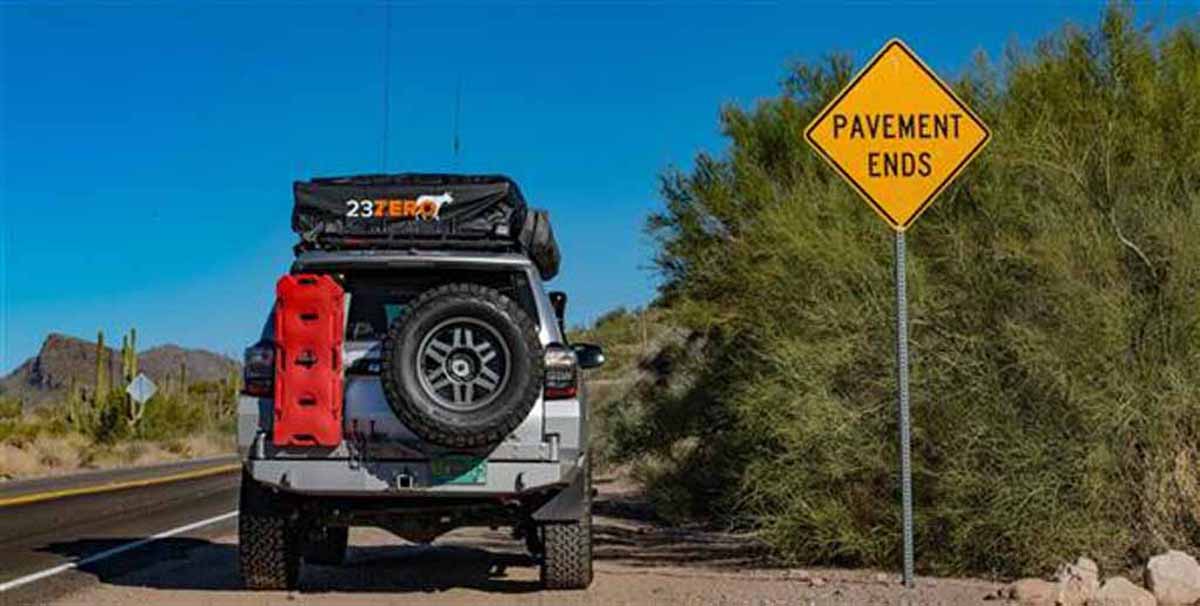
If your vehicle is equipped with a rooftop tent, taking a few extra minutes to inspect your setup before every trip can save time, improve safety, and help extend the life of your equipment.
New to rooftop tents? Browse our selection of hard shell rooftop tents and soft shell rooftop tents to compare different styles before your next adventure.
Unlike ground tents, rooftop tents become part of your vehicle while traveling. That means they’re exposed to highway speeds, changing weather conditions, rough roads, and constant vibration. A quick inspection before leaving home helps ensure everything remains secure throughout your journey.
It’s also worth developing a routine every time you break camp. Taking a few moments to properly secure bedding, close windows, and inspect mounting hardware helps prevent unnecessary wear and ensures your tent is ready for the next adventure.
Whether you own a hard shell rooftop tent, soft shell rooftop tent, or another style of vehicle-mounted shelter, following a consistent pre-trip checklist gives you confidence every time you hit the road.
Rooftop Tent Setup Checklist
🏠 Before Leaving Home
🛏️ Bedding & Interior
🚙 Before Driving
🌄 At Camp
Make your rooftop tent inspection part of your routine every time you leave camp. The same five-minute walkthrough before driving away can help prevent damaged equipment, improve safety, and ensure your next setup is just as smooth as the last.
Car Camping Checklist: Pro Packing Tips
After years of camping in everything from developed campgrounds to remote backcountry destinations, we’ve learned that staying organized is often more important than bringing more gear.
The goal isn’t to pack everything you own—it’s to pack intentionally. A well-organized vehicle makes camp setup faster, reduces forgotten items, and gives you more time to enjoy the adventure.
Here are a few simple habits that experienced campers rely on before every trip.
Pack by Category
Instead of spreading gear throughout your vehicle, organize it into dedicated storage bins for cooking equipment, sleeping gear, recovery equipment, clothing, and personal items. You’ll always know where everything belongs and loading the vehicle becomes much faster.
Keep Recovery Gear Accessible
Recovery boards, tow straps, tire repair kits, and air compressors should always be easy to reach. If you need them, chances are you won’t want to unload your entire campsite just to access them.
Freeze Water Bottles Instead of Ice
Frozen water bottles keep your cooler cold while gradually becoming drinking water throughout your trip. They also create less mess than loose ice as they thaw.
Pack Tomorrow’s Clothes on Top
After a long day outdoors, you’ll appreciate having tomorrow’s clothes easy to grab instead of digging through bags in the dark.
Charge Everything Before You Leave
Portable power stations, headlamps, GPS devices, camera batteries, drones, and satellite communicators should all be fully charged before departure. Make charging part of your pre-trip routine.
Download Maps Before Losing Cell Service
Never assume you’ll have reception where you’re camping. Download offline maps for your route, campsites, nearby fuel stations, and alternate roads before leaving home.
🚗 Perform a Final Walk-Around
Before pulling away from camp, slowly walk around your vehicle.
Look for:It only takes a minute, but it can save hours of frustration later.
Download Your Free Printable Car Camping Checklist
Even experienced campers and overlanders forget things from time to time.
That’s why we’ve created a printable version of this car camping checklist that you can keep in your glove box, camping tote, or gear bin. Whether you’re planning a quick overnight getaway or a week-long road trip, having a reusable checklist helps streamline packing and gives you one less thing to worry about before hitting the road.
📄 What’s Included in the Printable PDF
Print it, laminate it, or save it to your phone so it’s always ready for your next adventure.
Download Your Free Printable Car Camping Checklist
Print it, keep it in your vehicle, or save it to your phone before your next adventure. Our one-page printable checklist makes it easy to pack confidently and avoid forgetting the essentials.
Download 23Zero Car Camping ChecklistFree • No email required • Print-friendly
Car Camping Checklist FAQs
What should I pack for car camping?
A complete car camping checklist should include shelter and sleeping gear, cooking equipment, food and water, weather-appropriate clothing, personal care items, lighting, portable power, navigation tools, first aid supplies, and basic vehicle recovery equipment. The exact gear you need will depend on your destination, trip length, expected weather, and whether you are sleeping in a ground tent, inside your vehicle, or in a rooftop tent.
What are the most important car camping essentials?
The most important car camping essentials are a dependable shelter, a comfortable sleep system, sufficient drinking water, food, a camp stove or cooking method, a first aid kit, lighting, navigation tools, weather protection, and a properly prepared vehicle. You should also carry a spare tire, jack, tire repair kit, air compressor, jumper pack, and basic emergency supplies when traveling away from developed roads.
How is car camping different from regular tent camping?
Car camping generally means camping at or near your vehicle, allowing you to carry more equipment than you could while backpacking. You can bring larger tents, thicker mattresses, camp furniture, coolers, cooking equipment, portable power stations, and other comfort items. Car camping may involve sleeping in a ground tent, inside a vehicle, in a truck bed, or in a rooftop tent.
How much water should I bring car camping?
A common starting point is at least one gallon of water per person per day for drinking, cooking, and basic cleaning. You may need more in hot weather, at high elevation, during strenuous activities, or when camping without access to potable water. Always bring an additional emergency reserve, even when your campground is expected to have water available.
What food should I bring on a car camping trip?
Choose food that is easy to store, prepare, and clean up after. Good car camping options include eggs, oatmeal, breakfast burritos, sandwiches, pasta, rice, grilled meat, vegetables, fruit, trail mix, jerky, and protein bars. Create a meal plan before leaving home, prepare ingredients in advance, and keep perishable food cold in a properly packed cooler or portable refrigerator.
Do I need recovery gear for car camping?
Recovery gear is strongly recommended when your trip includes forest roads, desert tracks, sand, mud, snow, or other unpaved terrain. Basic equipment may include a tire repair kit, portable air compressor, tow strap, properly rated recovery points, soft shackles, recovery boards, a shovel, and work gloves. Carrying recovery equipment is not enough on its own, so learn how to use each item safely before your trip.
What should I pack for rooftop tent camping?
In addition to standard car camping gear, rooftop tent campers should pack bedding, pillows, a condensation mat if required, boot bags or shoe storage, window rods, and any model-specific accessories. Before driving, inspect the mounting hardware, roof rack, ladder, hinges, fabric, travel cover, and latches. Make sure all windows are closed, the ladder is secured, and the tent is fully locked in its travel position.
What should I keep in my vehicle for camping year-round?
Useful year-round vehicle supplies include a first aid kit, flashlight, jumper cables or a jump starter, tire pressure gauge, tire repair kit, air compressor, basic tools, work gloves, emergency blanket, drinking water, paper maps, charging cables, and a fire extinguisher. Inspect these supplies regularly and replace expired, damaged, or depleted items.
How do I prepare my vehicle before a camping trip?
Check the engine oil, coolant, brake fluid, windshield washer fluid, tire pressure, tire tread, spare tire, battery, lights, and windshield wipers before departure. Confirm that your jack and lug wrench are present and usable. Tighten roof rack and rooftop tent hardware, secure all cargo, fill the fuel tank, and review road conditions for your planned route.
Is a printable car camping checklist useful for experienced campers?
Yes. Even experienced campers can forget small but important items when packing for different destinations, seasons, or activities. A printable car camping checklist creates a repeatable packing routine, reduces last-minute mistakes, and can be customized over time based on the gear you use most often.
Car Camping Checklist Final Thoughts
Great camping trips don’t happen by accident—they’re the result of good planning and thoughtful preparation. That’s exactly what this car camping checklist is for.
Packing the right gear before leaving home helps you spend less time worrying about forgotten essentials and more time enjoying everything that makes camping special. Whether you’re relaxing beneath the stars at a developed campground, exploring remote forest roads, or setting up camp with a rooftop tent in your favorite backcountry destination, a dependable checklist gives you confidence that you’re prepared for whatever the journey brings.
As you explore, remember that protecting these incredible places is just as important as preparing for them. Following the Leave No Trace Seven Principles helps preserve campgrounds, public lands, and backcountry destinations so they can be enjoyed by future generations of outdoor enthusiasts.
Remember that every camping trip is a chance to refine your own system. As you gain experience, you’ll discover the gear you rely on most, the items you never use, and the small routines that make setting up camp quicker and breaking camp easier.
Bookmark this guide, download the printable PDF, and revisit it before every adventure. With a little preparation, you’ll be free to focus on what really matters—exploring new places, spending time outdoors, and creating unforgettable memories along the way.
Happy car camping from all of us at 23Zero!

Enjoyed This Post?
Discover more tips, gear guides, product reviews, and overlanding insights from the 23ZERO team.
Explore the Blog →