




Why Buy a Rooftop Tent? A Real-World Guide for Campers and Overlanders
January 22, 2026

If you’re new to overlanding or vehicle-based camping, it’s a fair question to ask: Why buy a rooftop tent? Let’s get into it.
At first glance, a tent that mounts on top of your vehicle might seem unnecessary—or even excessive—compared to a traditional ground tent or swag. But once people understand why rooftop tents exist and how they’re actually used, the value becomes much clearer.
This guide is designed to answer real questions from real campers—whether you’re brand new to the concept, actively comparing options, or simply trying to decide if a rooftop tent is worth it for you.
What is a Rooftop Tent?
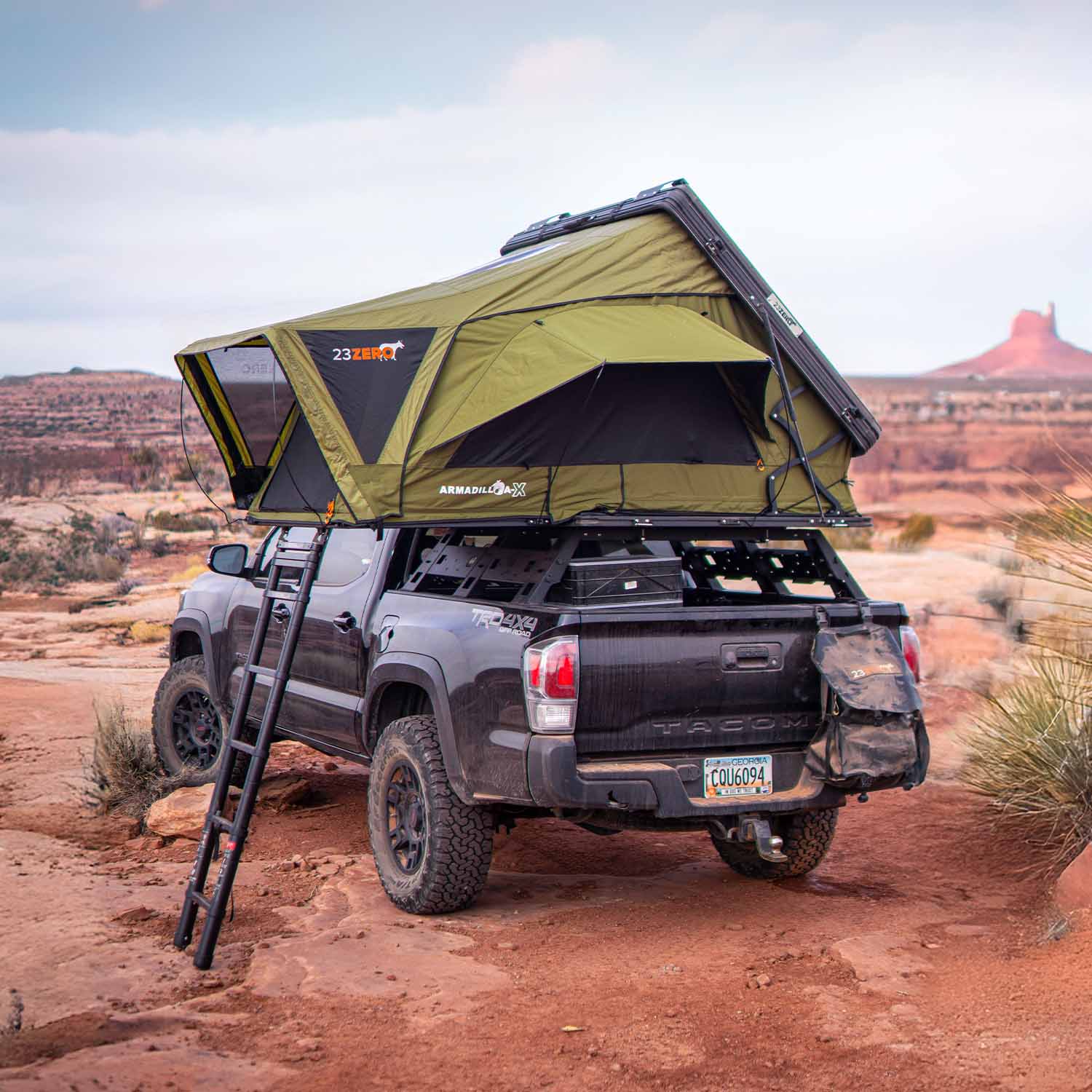
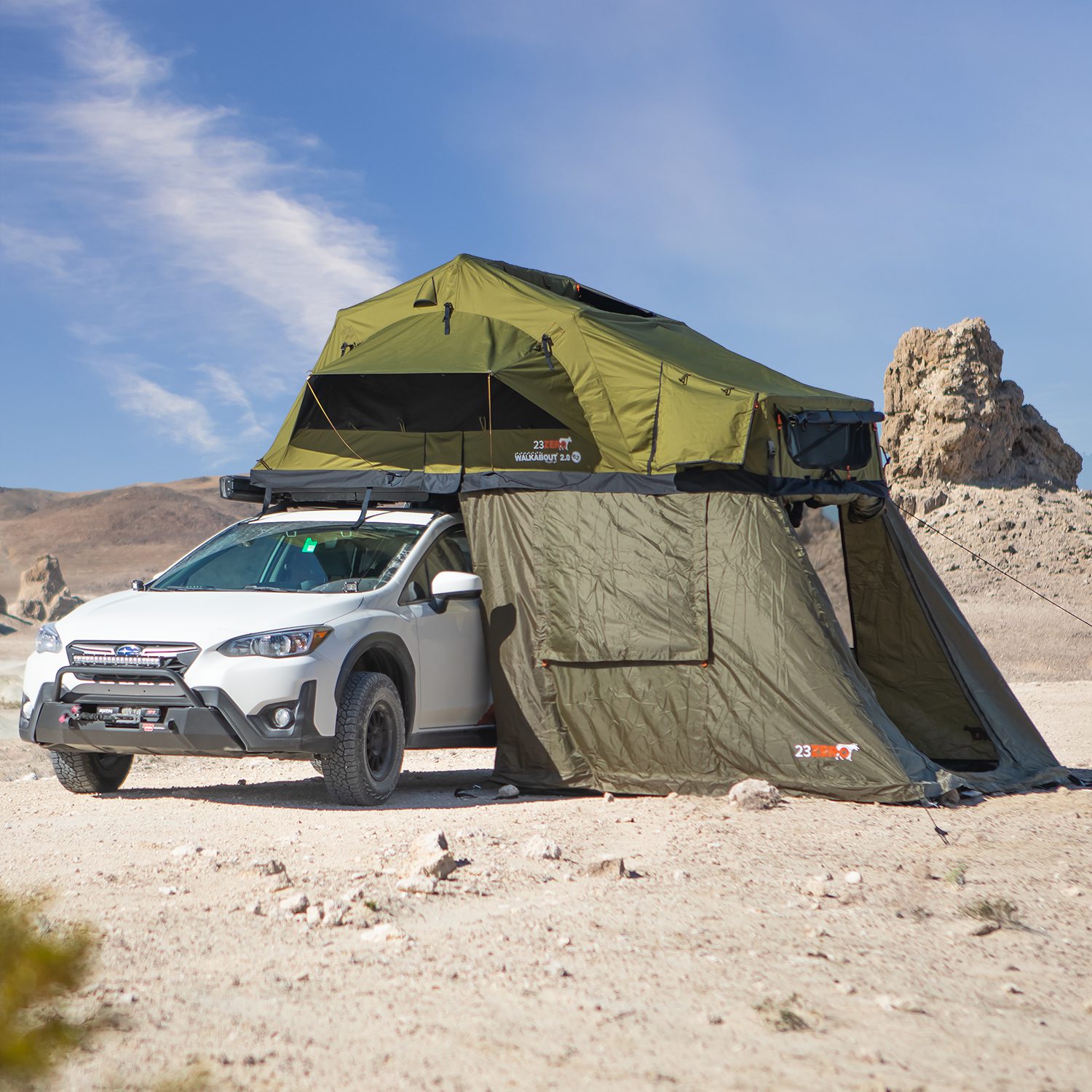
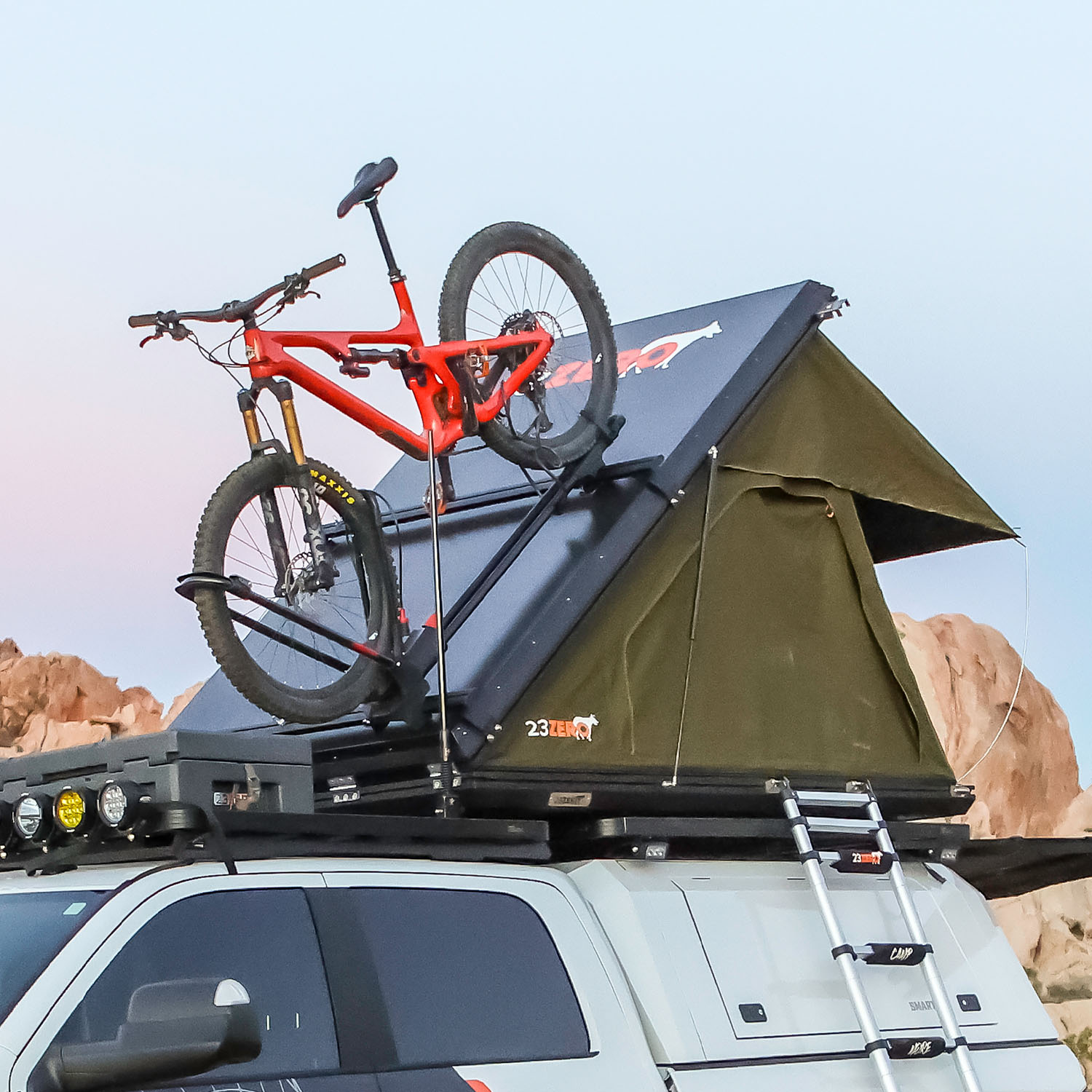
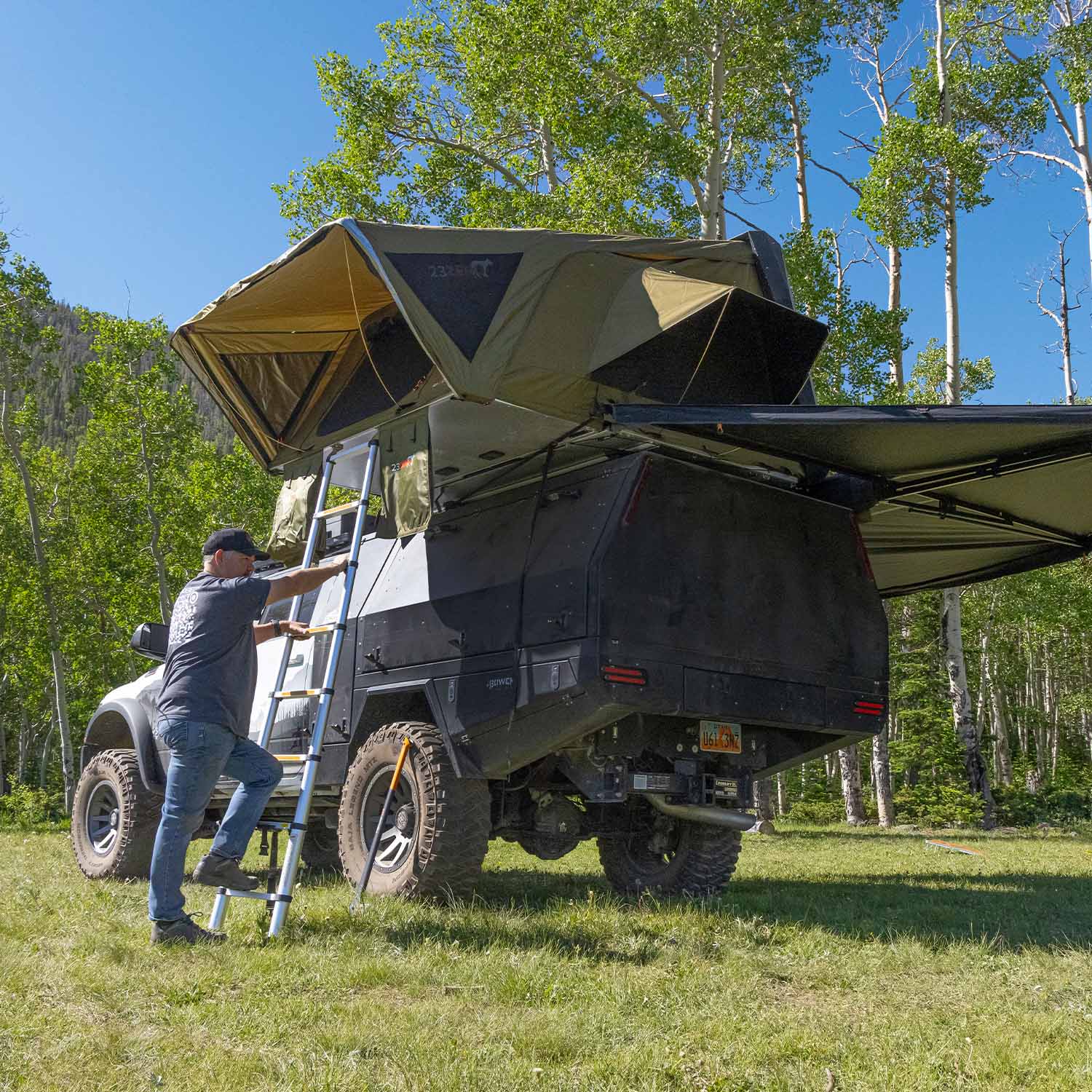
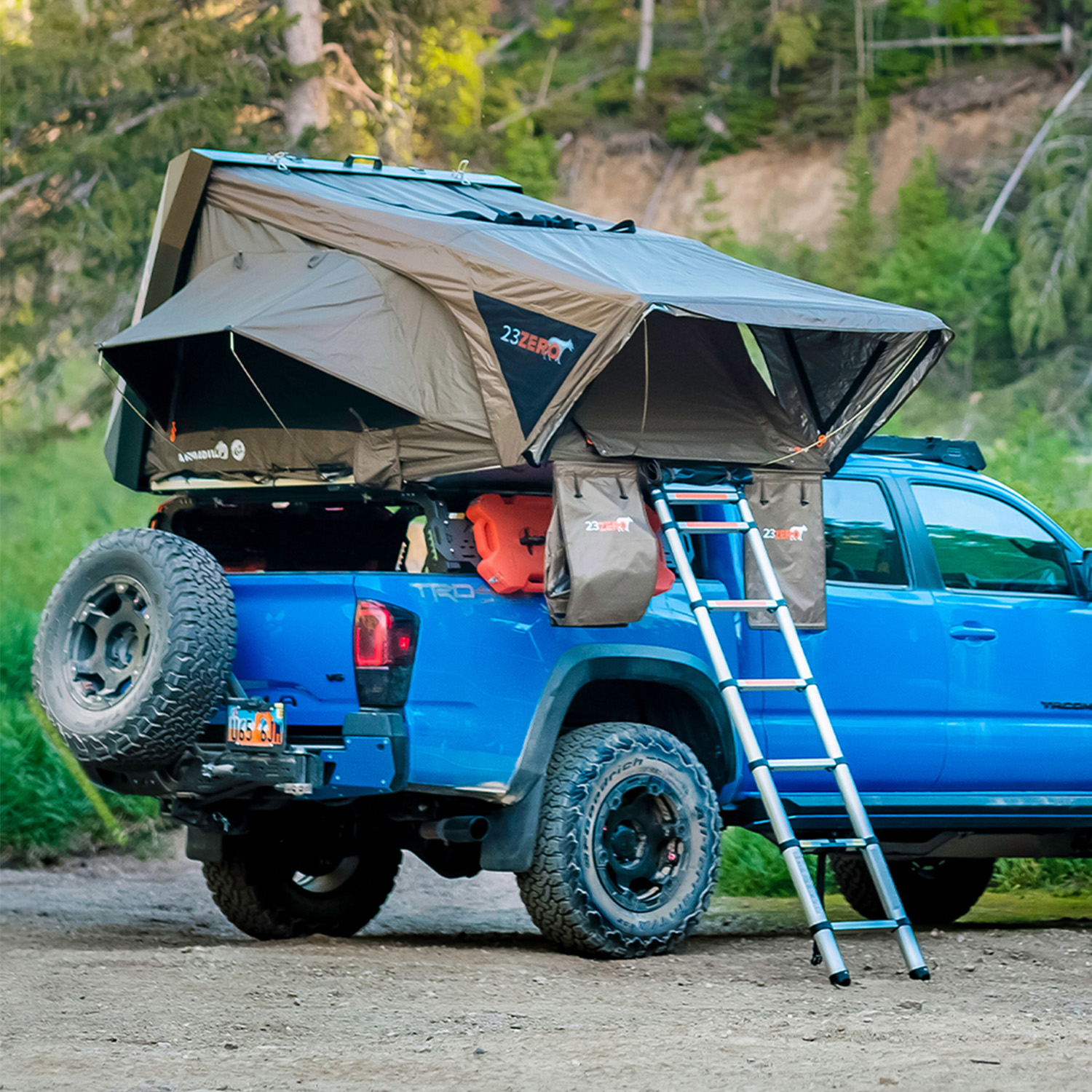
A rooftop tent (often called an RTT, or roof tent) is a tent that mounts to your vehicle’s roof rack or bed rack and deploys into a raised sleeping platform. Instead of sleeping on the ground, you sleep above it—securely attached to your vehicle.
Most rooftop tents include:
- An integrated mattress
- A fold-out or pop-up design for quick deployment and fast setup
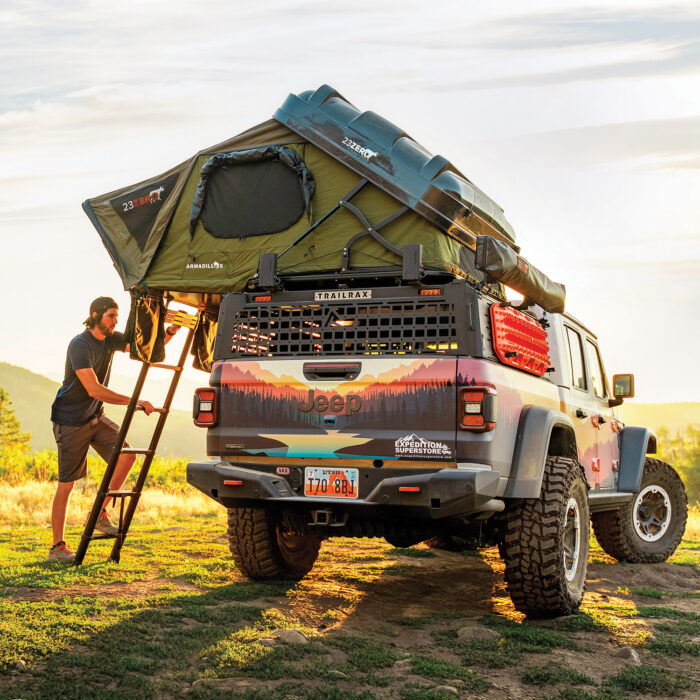
- A ladder for easy access
- A durable hard shell or soft shell fabric built for extended outdoor use
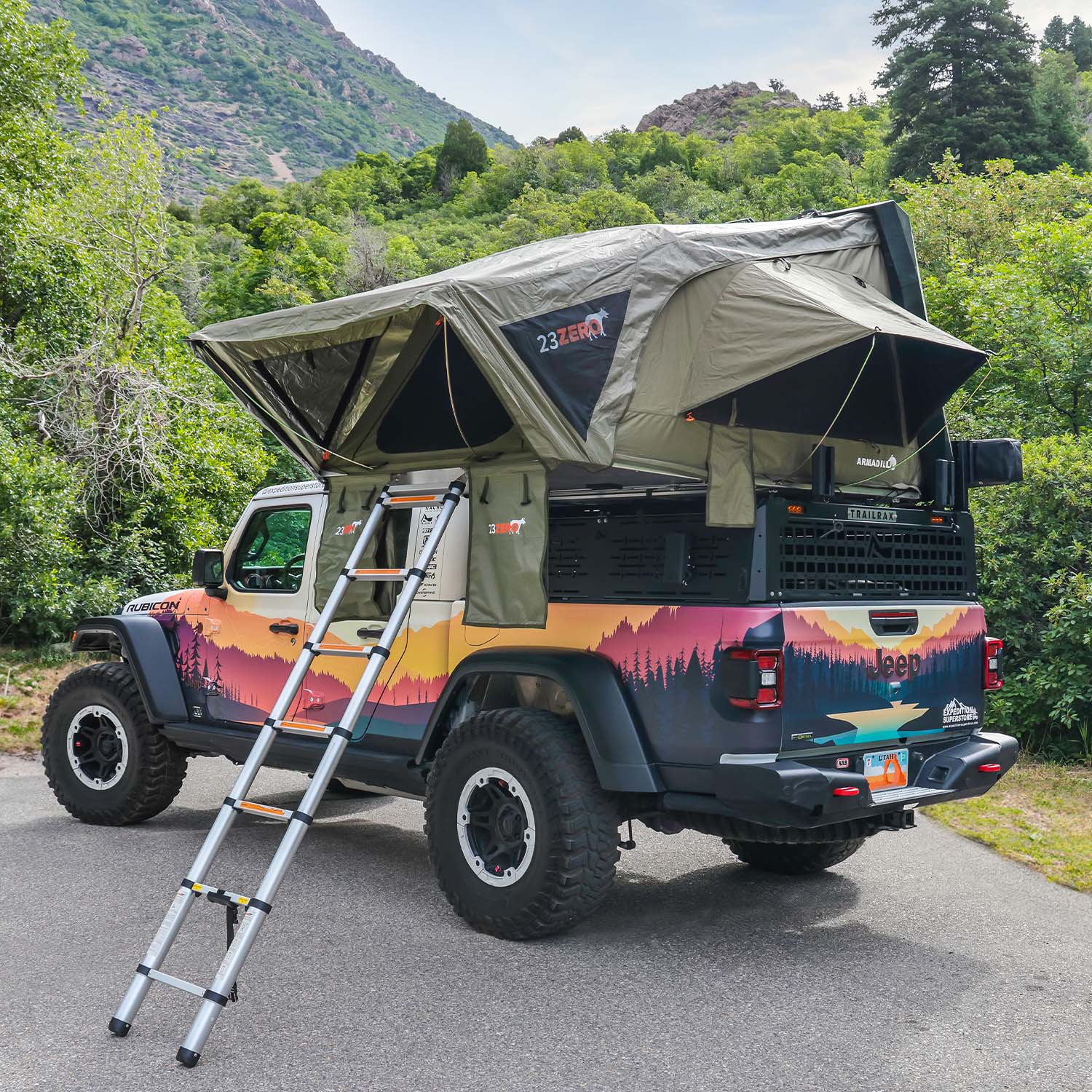
They’re commonly used on SUVs, trucks, cars, trailers, and crossovers, and they’ve become a staple in overlanding and adventure travel setups around the world.



Why Do People Buy Rooftop Tents?
People don’t switch to rooftop tents because they want to camp harder. They switch because they want to camp simpler, more comfortably, and more consistently.
Here are the real reasons rooftop tents continue to grow in popularity.
1. Faster, Easier Setup at Camp
One of the biggest advantages of a rooftop tent is how quickly it sets up and packs away.
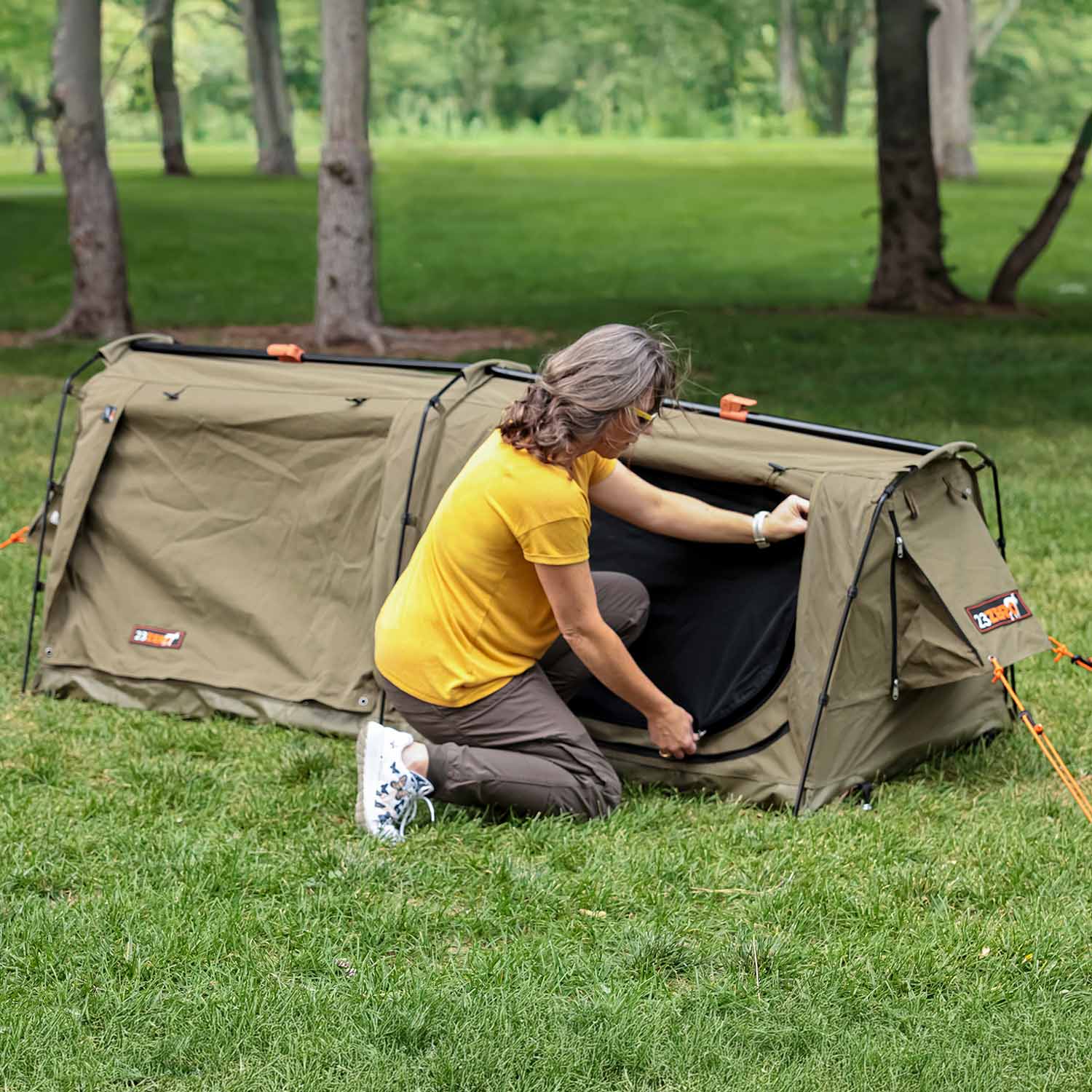
With a ground tent, you’re typically:
- Clearing rocks and debris
- Laying out a footprint
- Assembling poles
- Hammering stakes
- Repeating the process in reverse the next morning
A hard shell rooftop tent deploys in minutes—often under two—without touching the ground. That convenience matters whether you’re:
- Arriving late
- Moving campsites frequently
- Camping in bad weather
- Or just tired after a long day on the trail
2. A Consistent, Comfortable Sleeping Surface
Sleeping comfort is one of the most overlooked aspects of camping—until you get a bad night’s sleep. Everyone wants a home away from home, roof tents provide that exact feeling and comfort.
Rooftop tents offer:
- A built-in mattress (no inflating, deflating, or guessing)
- A flat, level sleeping surface every night
- Separation from rocks, roots, mud, and standing water
You’re not relying on the ground to cooperate. The experience is predictable—and that consistency is a big reason many people stick with rooftop tents once they try one.
3. Elevated Sleeping Has Practical Benefits
Sleeping off the ground isn’t just a novelty—it solves real problems.
Elevation helps with:
- Staying dry in wet conditions
- Avoiding uneven or muddy terrain
- Reducing exposure to insects and critters
- Improving airflow and ventilation
While no tent is “wildlife-proof,” many campers feel more secure sleeping above ground, especially in unfamiliar environments.
4. Camp Almost Anywhere Your Vehicle Can Go
Rooftop tents shine in places where ground camping is inconvenient or limited.
They’re ideal for:
- Rocky or uneven terrain
- Hard-packed soil where stakes don’t work
- Designated vehicle-based camping areas
- Quick overnight stops while traveling
If you can park legally and safely, you can usually camp. That flexibility is a major draw for people who value mobility and freedom.
Rooftop Tent vs Ground Tent: What’s the Difference?
Traditional ground tents or swags still have their place—but they aren’t always the better option.
Ground Tents
Pros
- Lower upfront cost
- Lightweight and portable
- Works without a vehicle
Cons
- Longer setup and breakdown
- Comfort depends heavily on terrain
- More exposure to weather and moisture
Rooftop Tents
Pros
- Fast setup and pack-down
- Built-in comfort and structure
- Consistent experience night after night
Cons
- Higher initial investment
- Requires a compatible vehicle and rack
- Less convenient for trips without your vehicle
The right choice depends on how you camp, not just how often.



Are Rooftop Tents Worth the Money?
This is one of the most common questions—and the answer depends on usage.
A rooftop tent is absolutely worth it if:
- You camp frequently or seasonally
- You value comfort and convenience
- You move camps often
- You want a durable, long-term setup
If you camp once a year at established campgrounds, a ground tent may make more sense. But for repeat campers or overlanders, the time saved and comfort gained often justify the investment.
Common Pros and Cons of Rooftop Tents
Pros
- Quick deployment
- Integrated mattress
- Elevated sleeping position
- Durable construction
- Long service life
Cons
- Higher upfront cost
- Added weight on your vehicle
- Requires rack compatibility
- Storage space when not in use
Being honest about these tradeoffs helps you make the right decision—not just the popular one.
Who Are Rooftop Tents Best For?
Rooftop tents tend to work best for:
- Weekend adventurers who camp often
- Overlanders and road-trippers
- Couples or small families
- People who want a “grab-and-go” camping setup
They may not be ideal for:
- Ultralight backpackers
- Campers without vehicle rack capacity
- Those who rarely camp
Understanding where you fit makes the decision much easier.



Common Rooftop Tent Questions (Answered)
Do you need a truck or SUV for a rooftop tent?
Most rooftop tents require a vehicle with proper roof load capacity and a quality rack system. Many SUVs, cars, crossovers, and trucks qualify.
Can you use a rooftop tent in winter?
Yes—many rooftop tents are designed for four-season use when paired with appropriate bedding and insulation.
Do rooftop tents hurt your vehicle?
When properly installed on a rated rack, rooftop tents are safe for your vehicle.
Is climbing a ladder annoying?
For most users, it becomes second nature. Ladder access is rarely cited as a deal-breaker once experienced. Think of it as a portable tree house on top of your car.
What to Know Before Buying Your First Rooftop Tent
Before purchasing, consider:
- Your vehicle’s dynamic and static load ratings
- Rack compatibility
- Hard shell vs soft shell designs
- Climate and seasonal use
- How often you plan to camp
A little planning upfront prevents regret later.
Final Thoughts: Why People Stick With Rooftop Tents
Rooftop tents aren’t about camping more aggressively. They’re about removing friction from the experience.
When setup is easier, sleep is better, and camp becomes more flexible, people tend to camp more often—and enjoy it more when they do.
That’s the real reason rooftop tents continue to grow in popularity and we expect that trend to continue for many years to come.
Planning your first camping trip? Download our complete Car Camping Checklist to make sure you don’t forget the essentials before heading out.
Rooftop Tent FAQs
If you’re considering a rooftop tent for the first time, these are the questions we hear most often—and the real-world answers that help you decide.
What is the point of buying a rooftop tent?
The main point of buying a rooftop tent is convenience, comfort, and consistency. Rooftop tents set up quickly, provide a flat and elevated sleeping surface, and let you camp comfortably in more places where ground conditions are uneven, wet, or rocky.
Are rooftop tents worth the money?
Rooftop tents are usually worth it for people who camp regularly and value fast setup, built-in comfort, and durability. While the upfront cost is higher than a ground tent, many users find the time saved, the consistent sleep quality, and the long service life justify the investment.
What are the pros and cons of a rooftop tent?
Pros include quick setup, an integrated mattress, elevated sleeping, and a more consistent camp experience. Cons can include higher cost, added vehicle weight, and needing a compatible rack system. The best choice depends on how often you camp and how you like to travel.
Do you need a truck or SUV for a rooftop tent?
You need a vehicle that can support the tent’s load ratings and a properly rated rack system. Many SUVs, trucks, and some crossovers work well. Always confirm your vehicle’s roof load limits and your rack’s weight ratings before purchasing.
Can you use a rooftop tent in winter?
Yes. Many rooftop tents can be used in winter when paired with appropriate bedding and insulation. Four-season designs are built to handle colder temperatures, wind, and snow more effectively than standard three-season tents.
Are rooftop tents safe?
Rooftop tents are safe when installed correctly on a quality rack system that meets your vehicle’s load ratings. They’re designed for stability in wind and weather and are widely used for overlanding and long-distance travel.
Do rooftop tents damage your vehicle?
When mounted to a properly rated rack and installed according to guidelines, rooftop tents should not damage your vehicle. The key is using the correct rack hardware, torqueing fasteners properly, and staying within rated limits.
Who should not buy a rooftop tent?
Rooftop tents may not be the best fit if you rarely camp, don’t have a compatible vehicle or rack setup, or prefer backpacking-style travel. If you typically camp in one place for long periods or need your vehicle free to drive daily from a base camp, a ground tent or camper setup may be a better match.
Happy Camping!

Enjoyed This Post?
Discover more tips, gear guides, product reviews, and overlanding insights from the 23ZERO team.
Explore the Blog →