




Rooftop Tents for Family Overlanding: Why Size Matters
January 29, 2026

Overlanding with kids or family overlanding is a very different experience than traveling solo or as a couple. The pace changes. The priorities shift. And the gear that once worked perfectly suddenly starts to feel limiting.
For families, comfort, space, and simplicity matter just as much as durability and performance. Bedtime routines replace late nights around the fire. Weather matters more when kids are involved. And sleeping arrangements need to work for everyone—not just the most adaptable adult in the group.
That’s where rooftop tents can shine for family overlanding—if you choose the right one. And more than any other factor, size plays a critical role.
What families actually need from a rooftop tent
When parents start researching rooftop tents, they often run into a disconnect. Many tents are “rated” for four people, but that doesn’t always translate into a comfortable night’s sleep—especially with kids.
In practice, families need more than just a headcount rating. A family-friendly rooftop tent should offer:
- Enough space for four to six people to sleep comfortably together
- Sufficient width so kids can sleep sideways without crowding
- Interior room to shift positions or sit up without waking everyone
- Quick, predictable setup after long drive days
- Strong ventilation and weather protection for changing conditions
- Easy, manageable access for kids and parents alike
When these needs aren’t met, families often end up splitting sleep setups or abandoning rooftop tents altogether. The right size roof tent removes those compromises.
Why size matters more for families than solo travelers
For solo travelers or couples, a compact rooftop tent can be ideal. Smaller footprints, faster deployment, and a low profile all make sense when space demands are minimal.
Families, however, experience space differently.
Width becomes more important than length. Real, usable sleeping area matters more than spec-sheet capacity. Kids move during the night, parents get up early, and everyone benefits from having room to breathe.
A tent that technically sleeps four adults may feel cramped once you account for sleeping bags, pillows, kids shifting positions, or simply wanting a bit of personal space. Larger platforms reduce nighttime disruptions and make mornings smoother—small details that add up quickly on multi-day trips.



Soft-shell vs hard-shell rooftop tents for families
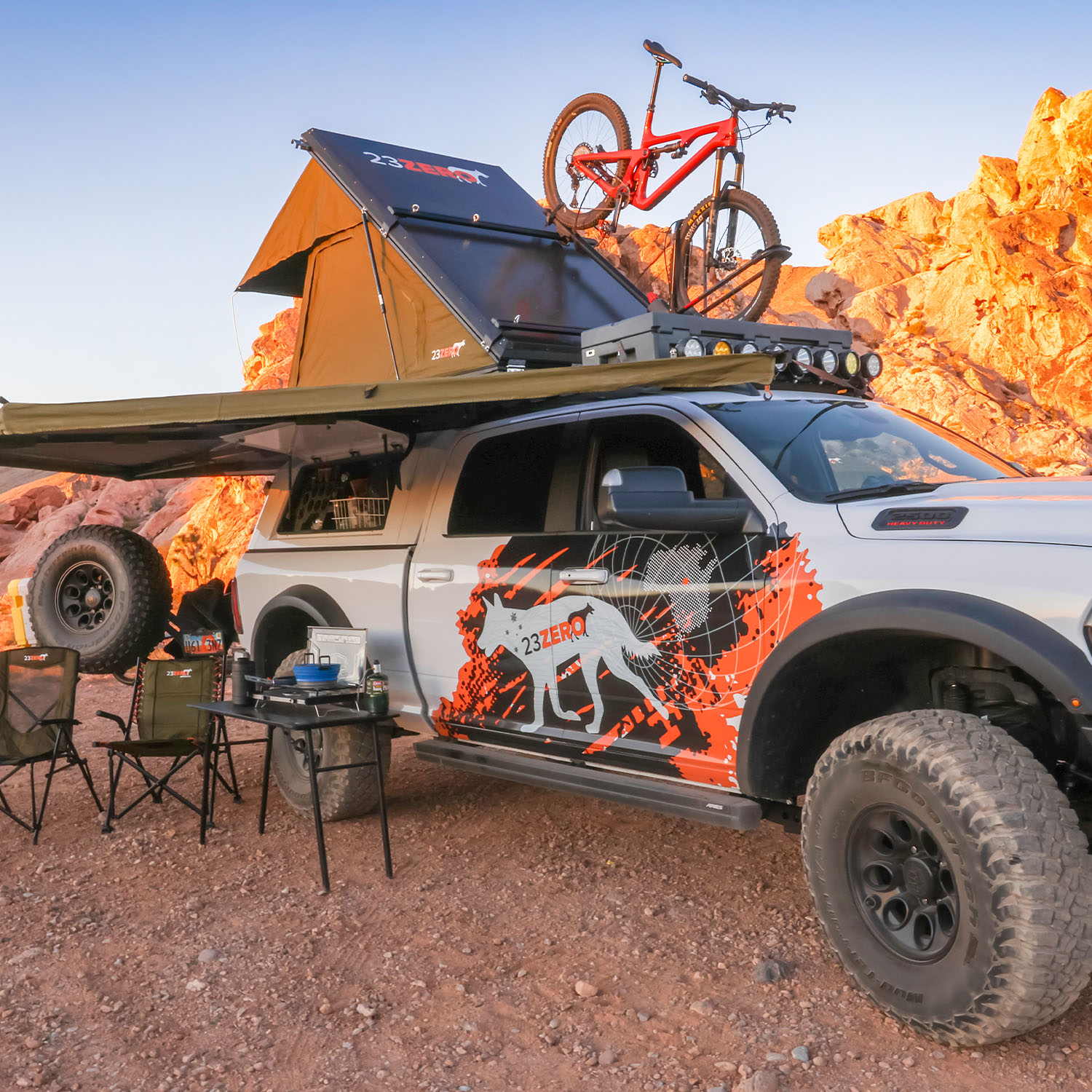
Hard-shell rooftop tents are popular for their sleek design and fast deployment, and they work exceptionally well for couples and minimalists. Their fixed footprint, however, naturally limits sleeping area.
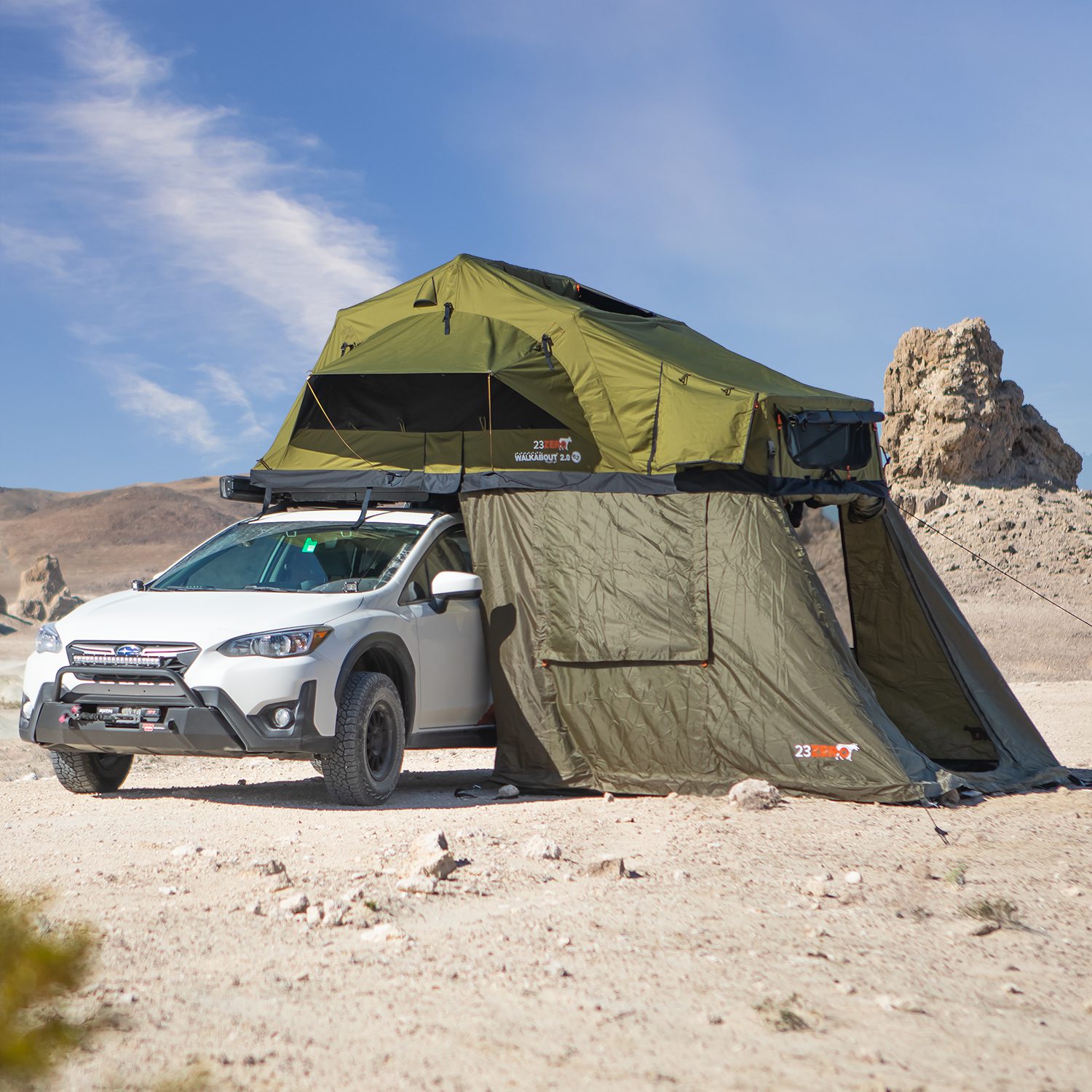
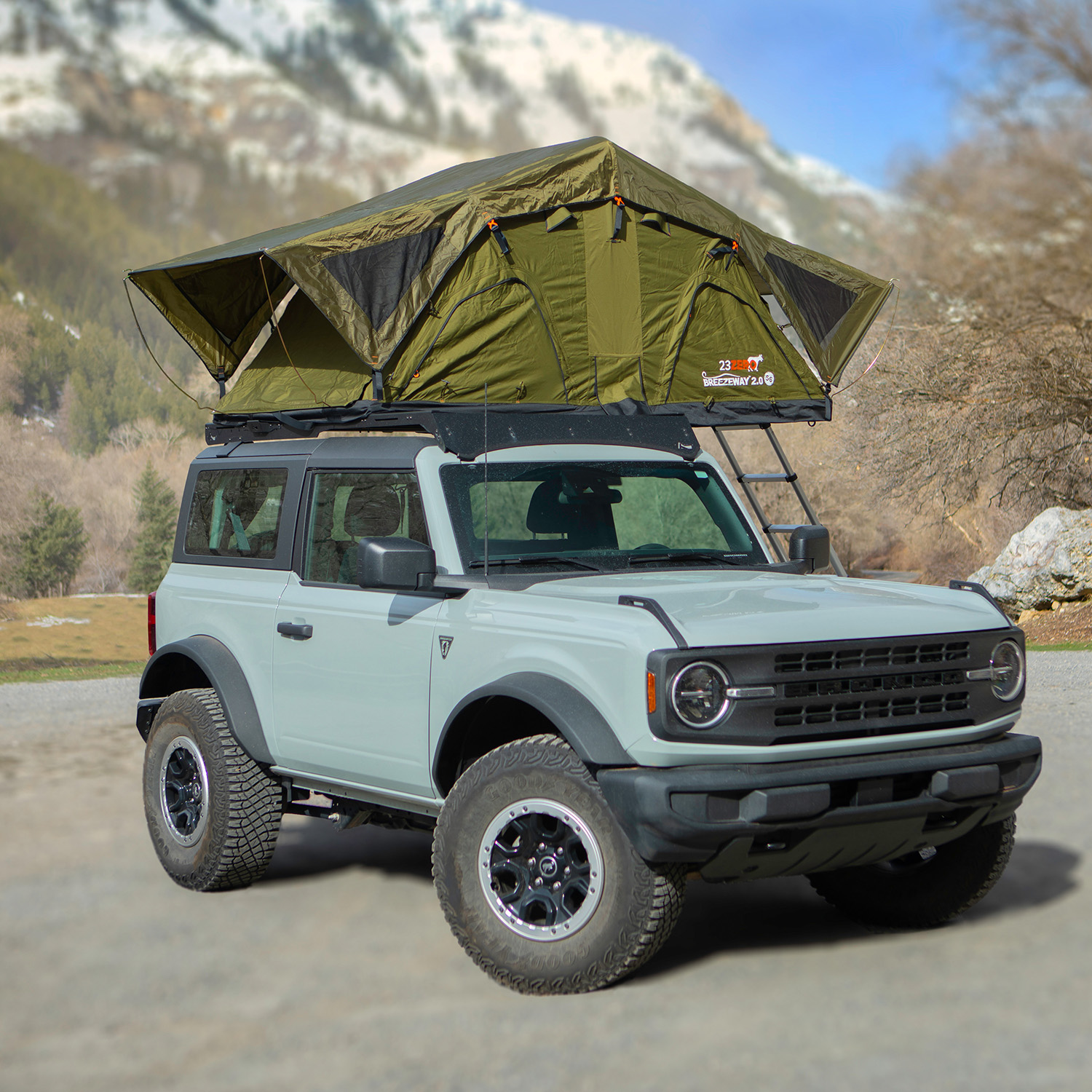
Soft-shell rooftop tents scale differently. Fold-out platforms create significantly more mattress space, making them better suited for multiple sleepers. For a deeper breakdown of the tradeoffs, see our guide comparing hard-shell vs soft-shell rooftop tents. That extra width, sleeping space, and flexibility can make all the difference for families.
Soft-shell designs also tend to be more forgiving during the day. They’re easier to access for naps, weather breaks, or downtime at camp—something families appreciate when plans don’t always follow a strict schedule.
Features that matter most when camping and overlanding with family
When camping as a family, small details matter more than you might expect.
Multiple access points or dual telescoping ladders reduce nighttime disruptions. Interior lighting makes bedtime routines easier. Ventilation and temperature control help keep everyone comfortable when conditions change. Storage solutions keep muddy shoes and wet gear out of sleeping areas.
None of these features are strictly necessary for a solo camper—but together, they significantly improve the experience for families sharing a tent.

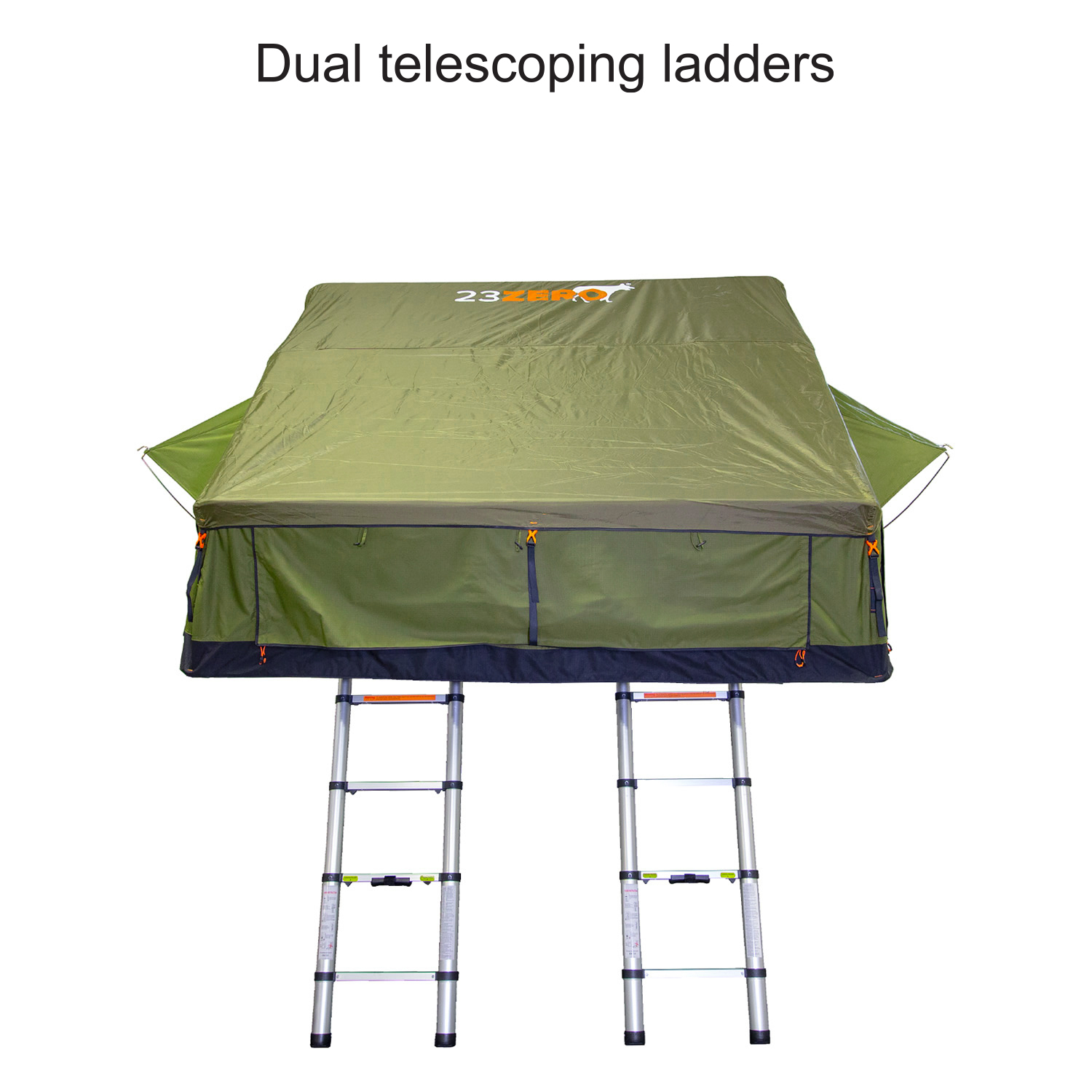

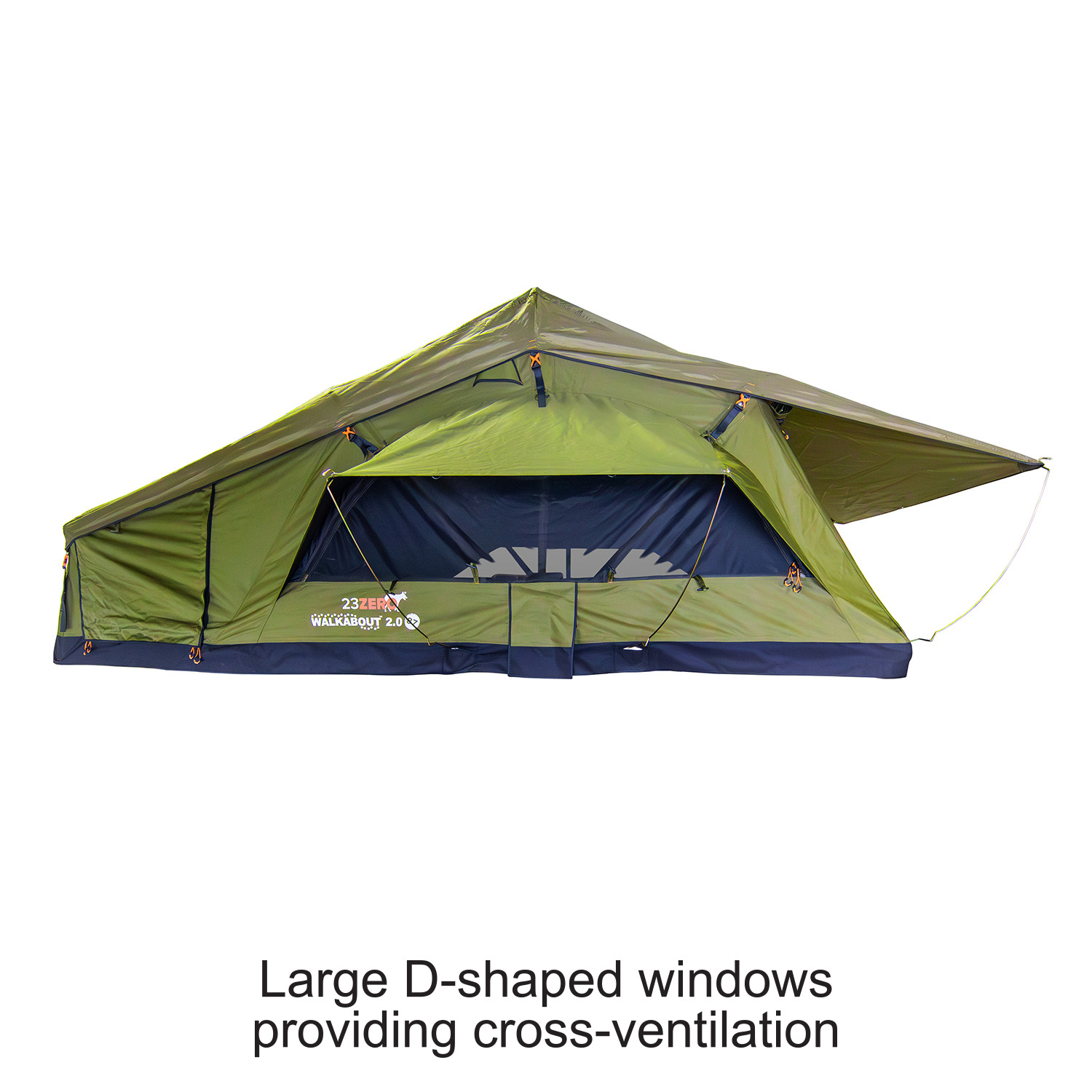

An example of a family-friendly rooftop tent for overlanding
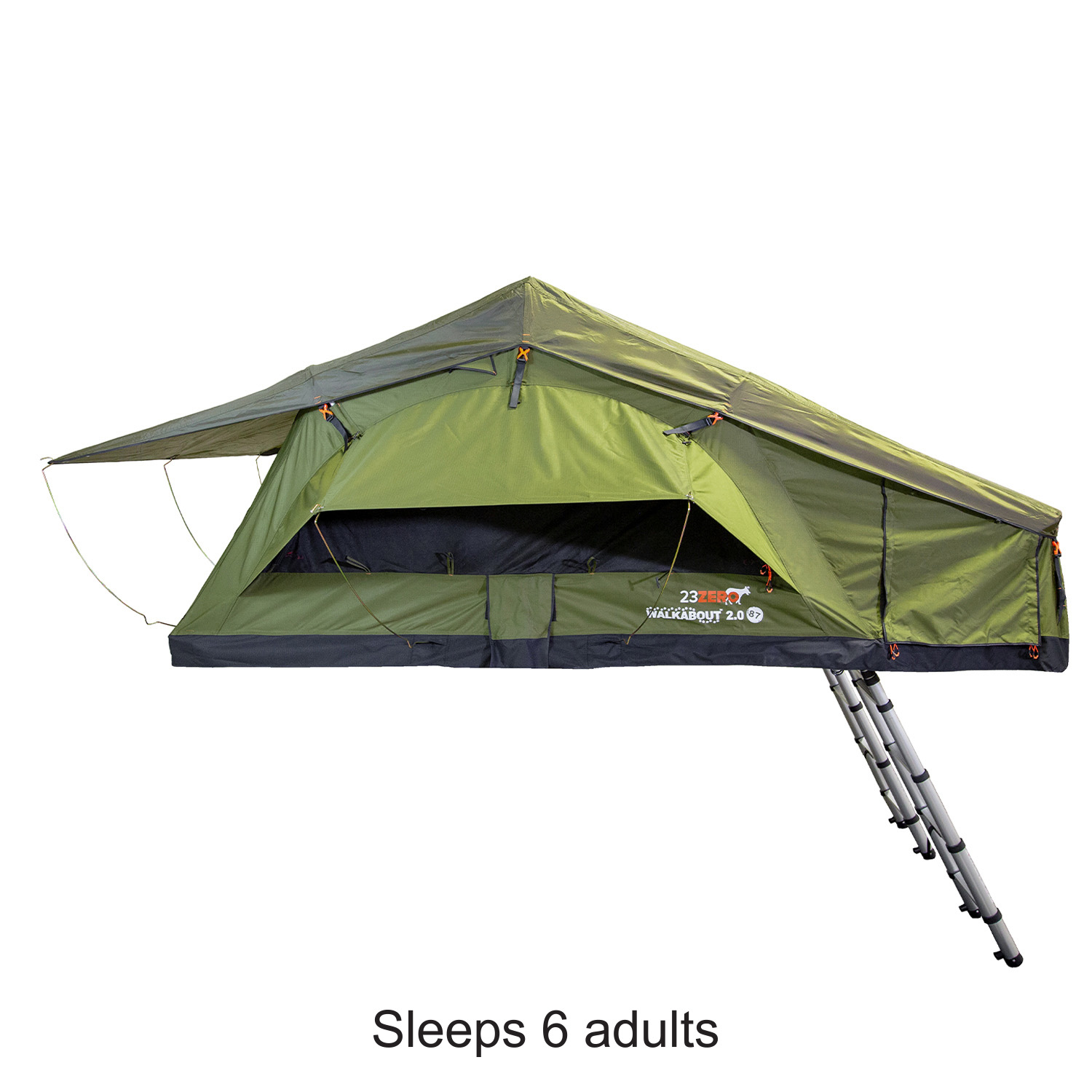
One example of how size and thoughtful design come together for families is the Walkabout 87 2.0.
With a massive sleeping platform capable of accommodating up to six adults, the Walkabout 87 2.0 offers the kind of real, usable space families need. Its extra-wide footprint allows kids to sleep comfortably without crowding, while dual entrances and two ladders make getting in and out easier for everyone.
Climate-focused features like large windows, Light Suppression Technology fabric, and a rear heater or cooler port help manage interior comfort across seasons. Combined with reinforced construction and weather-resistant materials, the tent is built to perform in the unpredictable conditions families often encounter.
Rather than forcing families to adapt to a small tent, larger designs like this adapt to how families actually camp.
How families actually use a large rooftop tent
In real-world use, large rooftop tents open up flexible sleeping arrangements that simply aren’t possible in smaller designs.
Two adults and two kids can spread out comfortably. Larger families can sleep together without stacking bodies or gear. Kids can fall asleep earlier while parents still move around inside the tent. Sleeping orientations can change from night to night based on who needs more room.
That flexibility makes trips feel easier and less restrictive—especially over multiple nights.
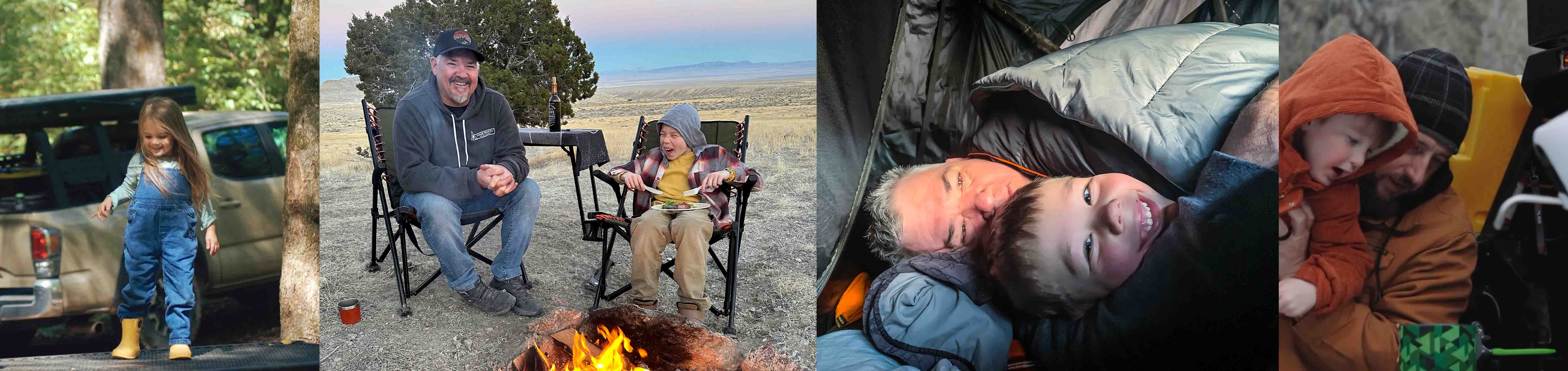

Common concerns parents have about rooftop tents
It’s normal for parents to have questions before committing to a rooftop tent.
Many wonder about safety, ladder access, or whether a larger tent will feel cumbersome day-to-day. Others worry about weather performance or how kids will handle sleeping off the ground.
The reality is that these concerns often come down to design and size. Tents with adequate space, multiple access points, solid weather protection, and thoughtful layouts tend to feel more intuitive and less stressful for families—especially when compared to cramped alternatives.
Who large family rooftop tents are best for (and who they’re not)
Large rooftop tents work especially well for:
- Families of four to six
- Multi-day or extended trips
- Base-camp-style overlanding
- Parents prioritizing shared space and comfort
They may be less ideal for solo travelers, ultra-minimalist builds, or vehicles where a low profile is the top priority.
Being honest about fit helps families choose gear that truly matches their style of travel.
Family overlanding works better when everyone fits
Family overlanding is about shared experiences—long drives, campfire dinners, and mornings spent together outdoors. The right rooftop tent supports those moments instead of adding friction.
For families, size isn’t a luxury. It’s a requirement. Choosing a rooftop tent with enough space allows everyone to sleep comfortably, move freely, and focus on the adventure itself.
Related Reading
Planning your first trips with kids? Our guide to camping with kids covers practical tips for keeping family adventures comfortable, fun, and stress-free.
Family Overlanding & Rooftop Tent FAQs
Can families use rooftop tents?
Yes. Many families use rooftop tents successfully, especially when the tent offers enough sleeping space, proper ventilation, and easy access. Larger soft-shell rooftop tents are often better suited for families because they provide more usable interior room for multiple sleepers.
How many people can sleep in a rooftop tent?
Rooftop tent capacity varies by design. While many models are intended for one or two adults, larger rooftop tents can comfortably sleep four to six people. The key is looking beyond capacity ratings and focusing on actual mattress width and usable space.
Are rooftop tents safe for kids?
Rooftop tents can be used safely with kids when parents choose a well-built tent, supervise ladder use, and follow manufacturer guidelines. Features like sturdy ladders, solid construction, and adequate interior space help make rooftop tents more manageable for families.
What makes a rooftop tent family-friendly?
Family-friendly rooftop tents typically offer wider sleeping platforms, good ventilation, multiple access points, interior lighting, and enough room for kids to move without crowding. These features help reduce nighttime disruptions and improve overall comfort.
Are soft-shell or hard-shell rooftop tents better for families?
Soft-shell rooftop tents are often a better fit for families because their fold-out designs create more sleeping space. Hard-shell tents work well for couples and solo travelers but usually offer less interior room for multiple sleepers.
Happy Camping!

Enjoyed This Post?
Discover more tips, gear guides, product reviews, and overlanding insights from the 23ZERO team.
Explore the Blog →