




Rooftop Tent Weight Limits Explained: Static vs Dynamic Roof Load
March 3, 2026
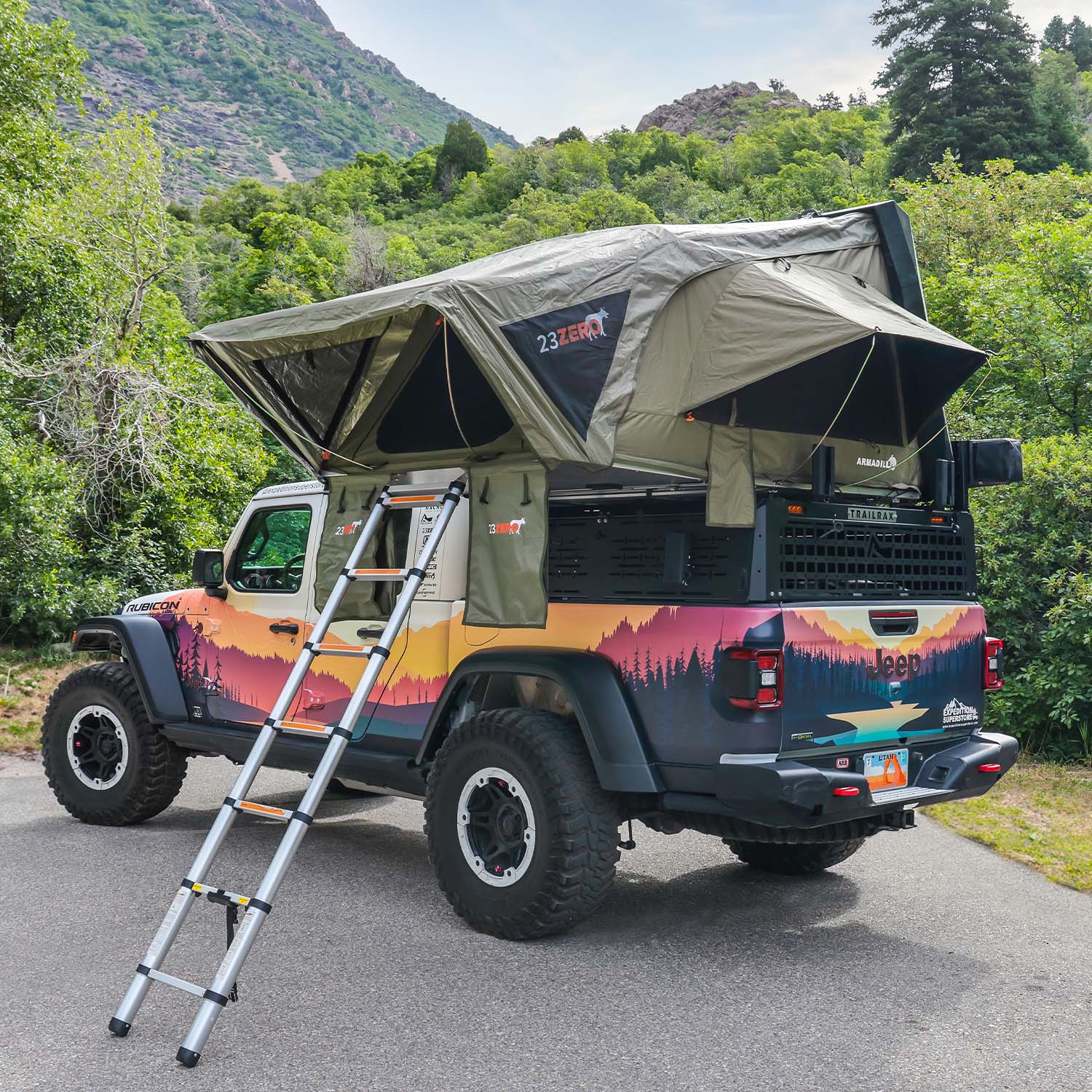
Mounting a rooftop tent is one of the most common upgrades for vehicle-based overlanding and camping. Understanding rooftop tent weight limits before installing one is essential, and there is an important question every overlander and camper should ask.
Can my vehicle actually support a rooftop tent?
If you’ve asked yourself that question, you’re in the right place. Knowing how rooftop tent weight limits work and the difference between static and dynamic roof load ratings is essential for a safe and confident setup. The good news is that most modern vehicles can support a rooftop tent when it is properly installed. The key is understanding what those numbers really mean.
If you’re still exploring different vehicle-based camping setups, our vehicle camping guide explains how rooftop tents compare to other options and what to consider before upgrading your vehicle.
Let’s break it down.
What is Rooftop Tent Weight Limit?
A rooftop tent weight limit refers to how much weight your vehicle’s roof is designed to support.
Manufacturers publish this number as a roof load rating, typically listed in your vehicle owner’s manual.
However, there’s an important detail many people miss:
Most vehicles list a dynamic load rating, not a static one.
That distinction matters more than anything else when installing a rooftop tent.
Static vs Dynamic Roof Load: What’s the Difference?
When people search for “rooftop tent weight limit” they’re usually mixing up two very different and very important measurements. Let’s get into it.
What Is Dynamic Roof Load?
Dynamic load refers to how much weight your roof can safely carry while the vehicle is moving.
This includes:
- The weight of the tent
- The weight of the roof rack system
- The added force created by acceleration, braking, and cornering
- Wind resistance at highway speeds
Dynamic roof load ratings are typically lower because they account for these additional stresses. Always confirm your vehicle’s published roof load rating in your owner’s manual and follow manufacturer safety recommendations outlined by the National Highway Traffic Safety Administration (NHTSA) before installing any roof-mounted system.
What Is Static Roof Load?
Static load refers to how much weight the roof can support when the vehicle is parked.
When you’re camped:
- The vehicle is not moving
- There are no wind forces from driving
- Weight is distributed across rack mounting points
Static capacity is almost always significantly higher than the dynamic rating.
This is why rooftop tents are possible in the first place.
When you’re sleeping in a rooftop tent, the roof is supporting static weight not driving forces.
How Much Weight Can a Car Roof Hold?
Most passenger vehicles have dynamic roof load ratings between 100–165 lbs, though this varies by model.
That might sound low at first. But remember:
- Many rooftop tents weigh within that range
- Rack systems add additional weight capacity
- The dynamic rating is what matters while driving
When parked, the static load capacity often allows the roof structure to safely support the tent and occupants provided everything is installed correctly.
The only way to know for sure is to check your specific vehicle’s manufacturer specifications.
Do Rooftop Tents Exceed Roof Weight Limits?
In most cases, no. Roof tents do not exceed roof weight limits when the tent installed properly.
Here’s what makes the difference:
- A quality roof rack or crossbar system
- Even weight distribution
- Staying within the vehicle’s published dynamic rating
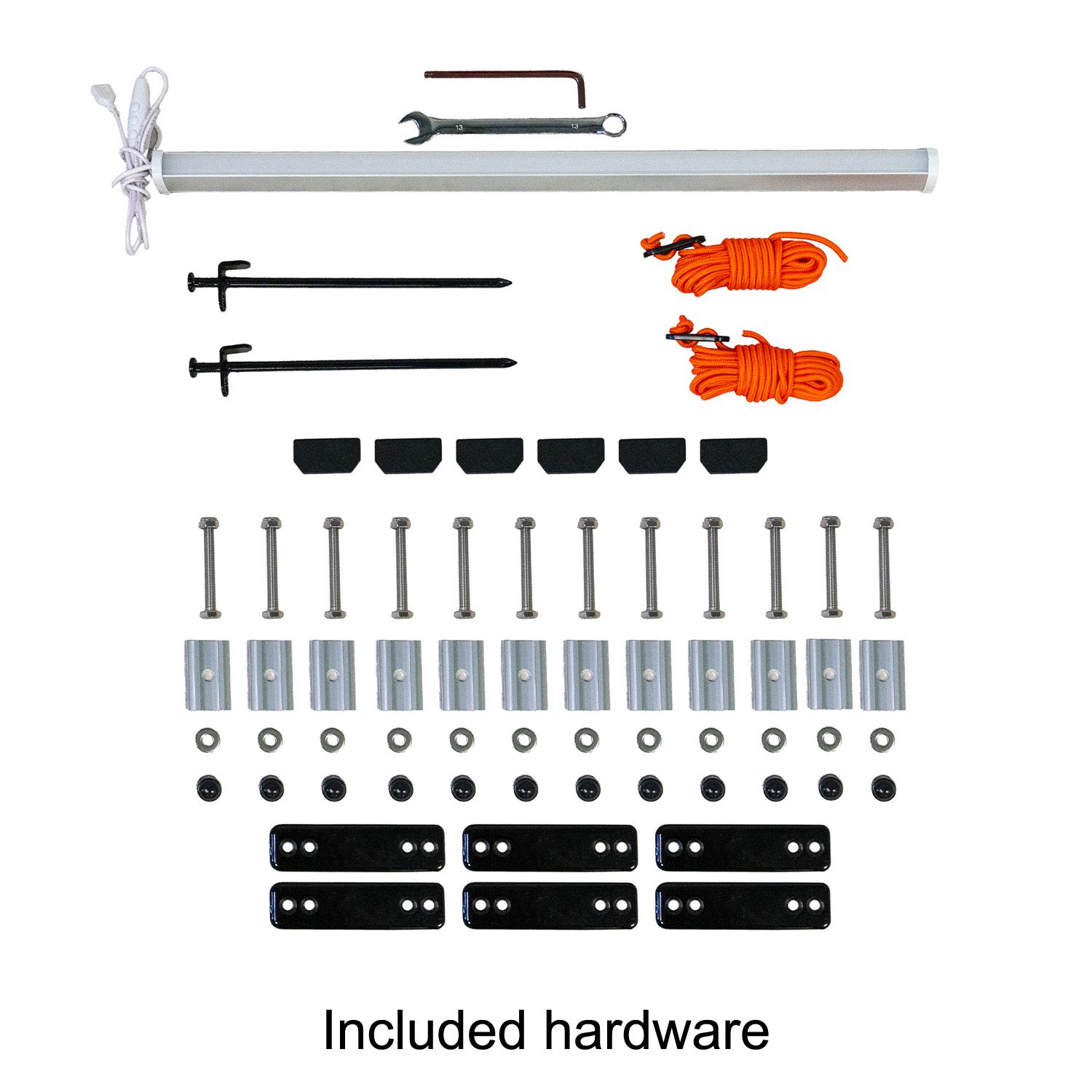
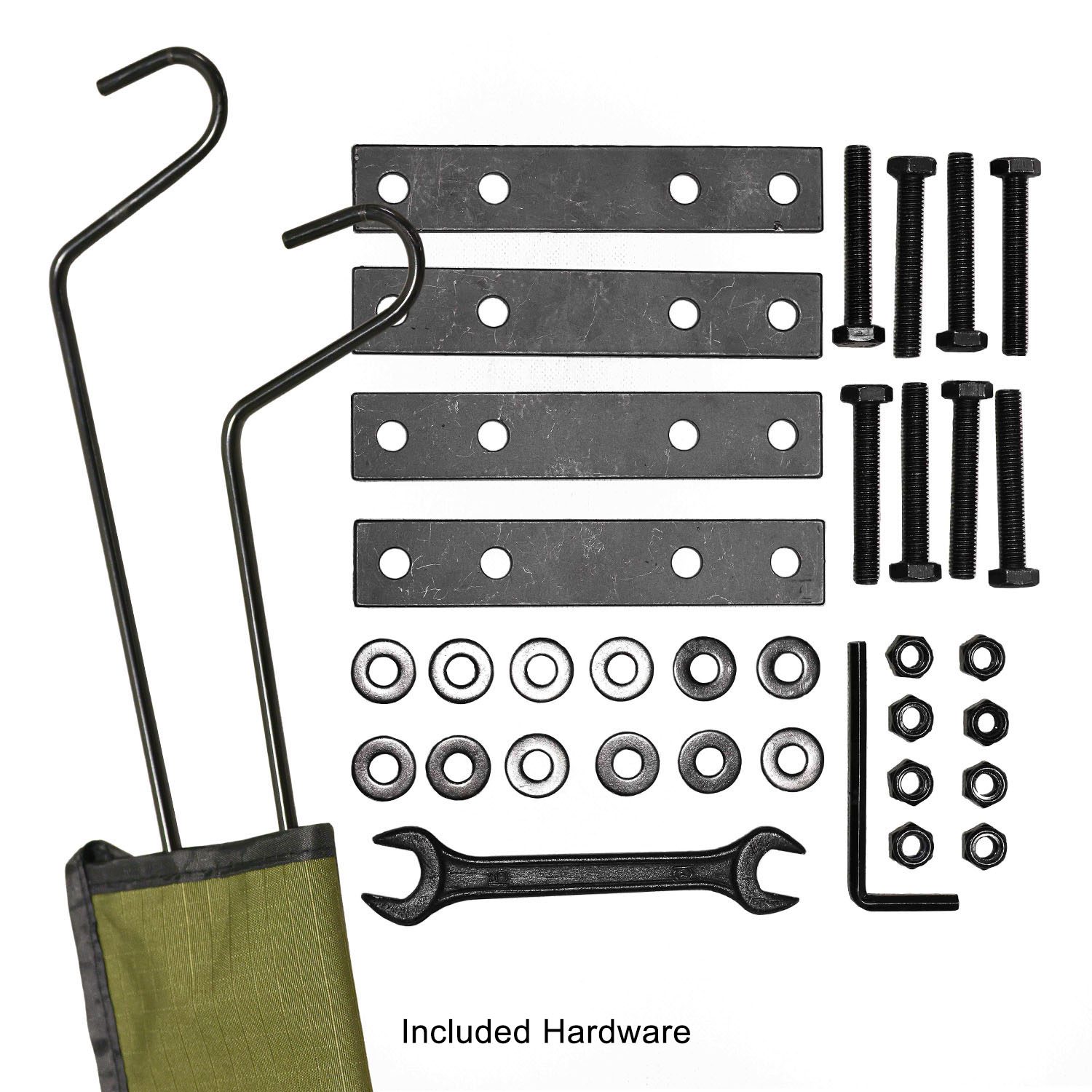
- Using mounting hardware designed for rooftop tents
It’s not just about the tent weight alone. You must account for:
- Rack system weight
- Mounting brackets
- Additional accessories
A well-designed system works within those limits.
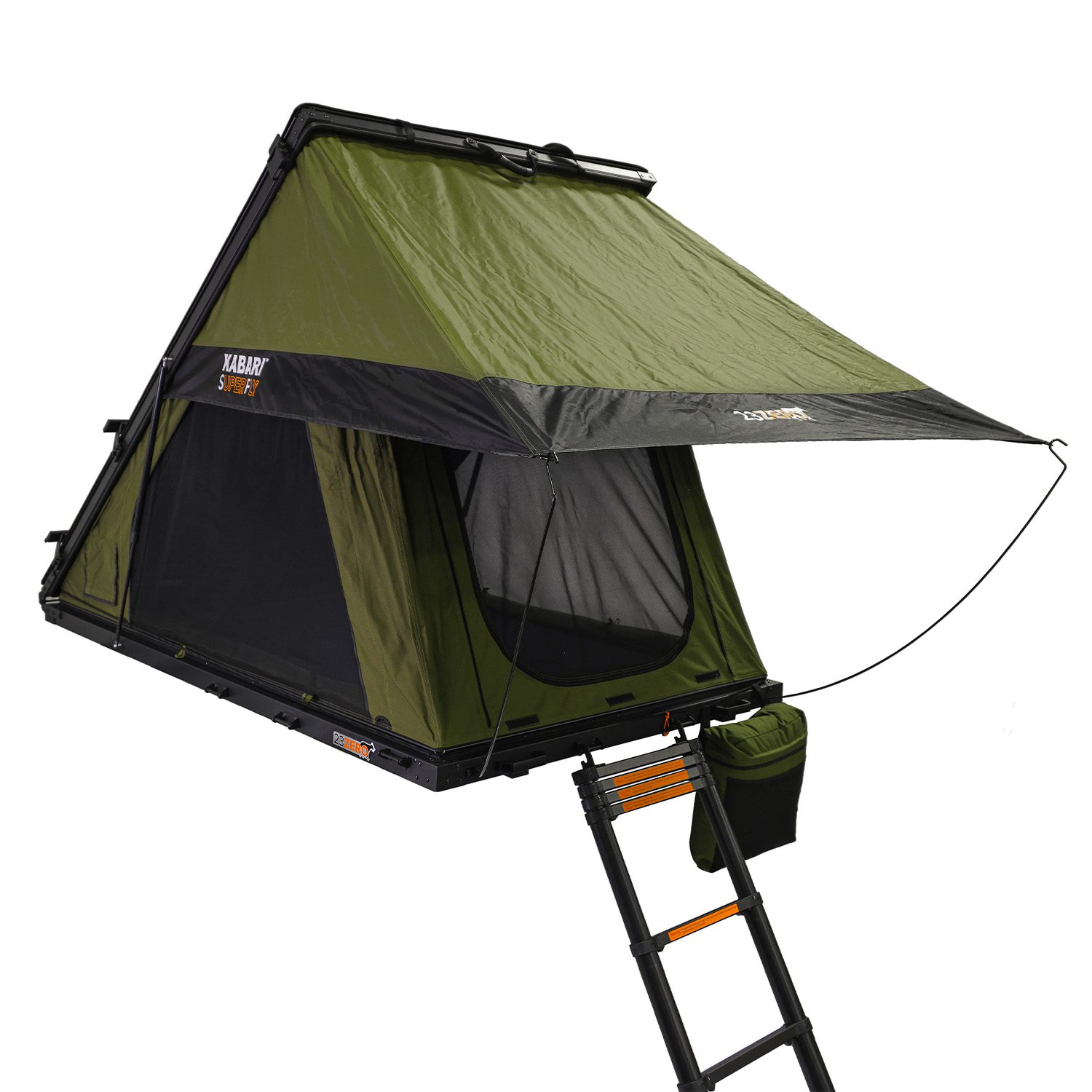
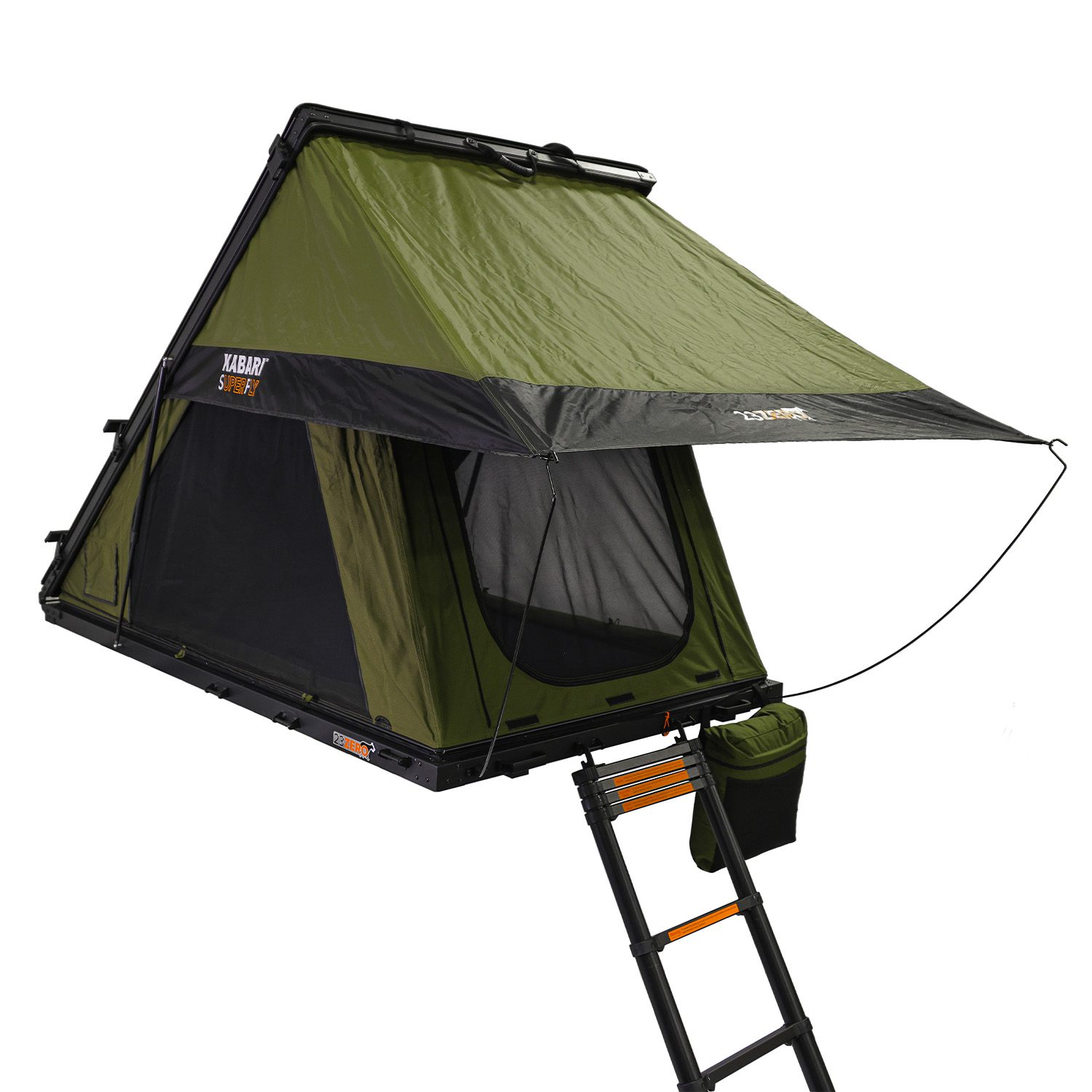
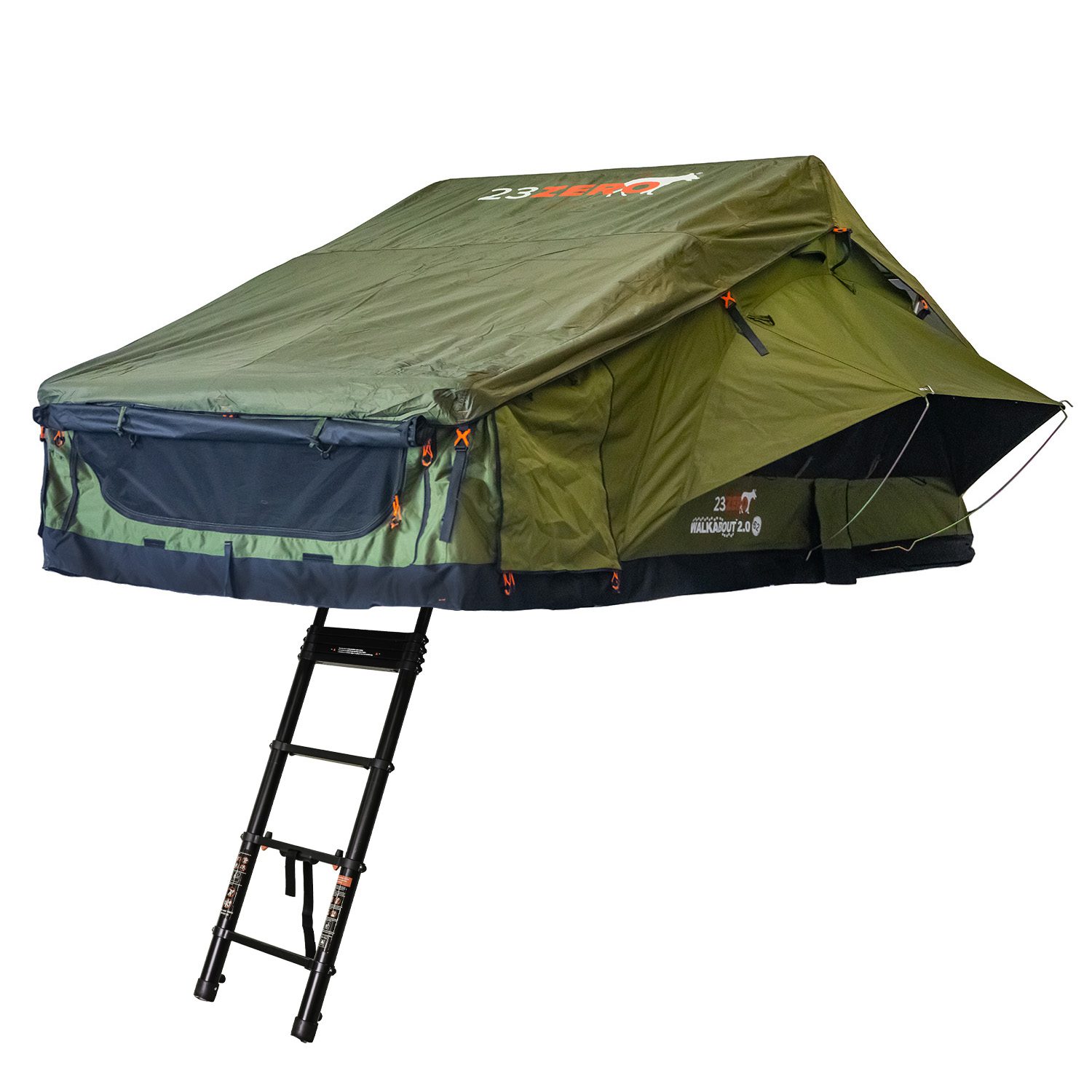
It’s also worth noting that soft shell rooftop tents are often lighter than hard shell models, which can make them a practical option for vehicles with lower dynamic roof load ratings. If you’re comparing designs, our soft shell vs hard shell rooftop tent guide breaks down the key differences in weight, setup, and structure.
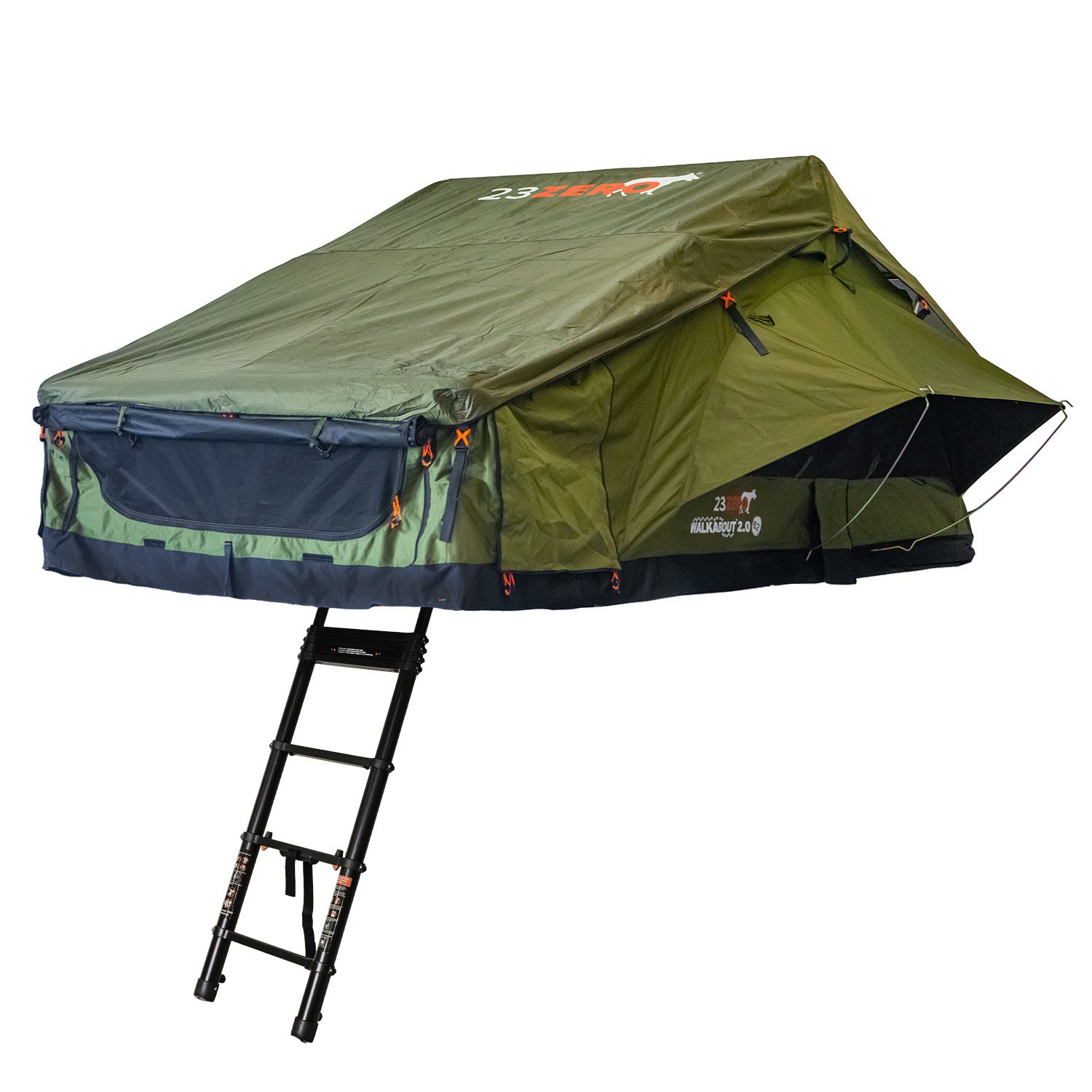
Can a Small Car Support a Rooftop Tent?
This is one of the most common concerns.
Sedans, hatchbacks, and wagons can often support rooftop tents, but not all vehicles are equal.
Things to evaluate:
- Factory roof rails vs bare roof
- Approved crossbar weight capacity
- Structural roof design
- Vehicle payload rating
Smaller vehicles typically require more attention to rack selection and installation quality. Crossovers and wagons often make excellent rooftop tent platforms because they combine manageable size with stronger roof structures.
The key isn’t vehicle size alone it’s the engineering behind the roof system.
What Happens If You Exceed Roof Load Limits?
Exceeding published roof load limits can lead to:
- Compromised handling while driving
- Increased braking distance
- Structural stress on mounting points
- Potential warranty concerns
This is why understanding dynamic load rating is critical.
Rooftop tents are safe when installed within manufacturer specifications but ignoring those limits isn’t worth the risk.
How to Safely Install a Rooftop Tent
A safe rooftop tent setup starts with preparation.
1. Confirm your vehicle’s dynamic roof load rating.
2. Choose a rack system rated to support the tent weight.
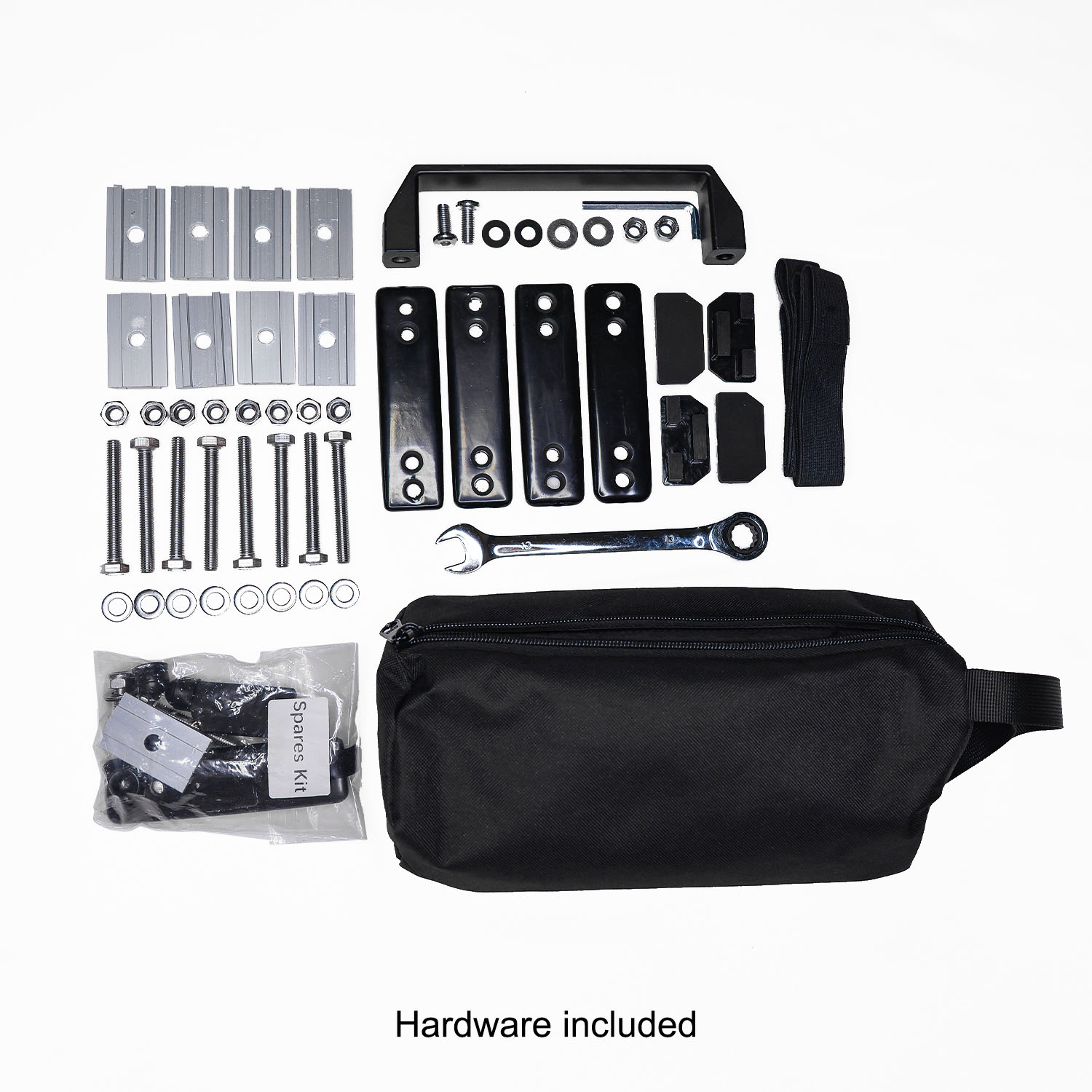
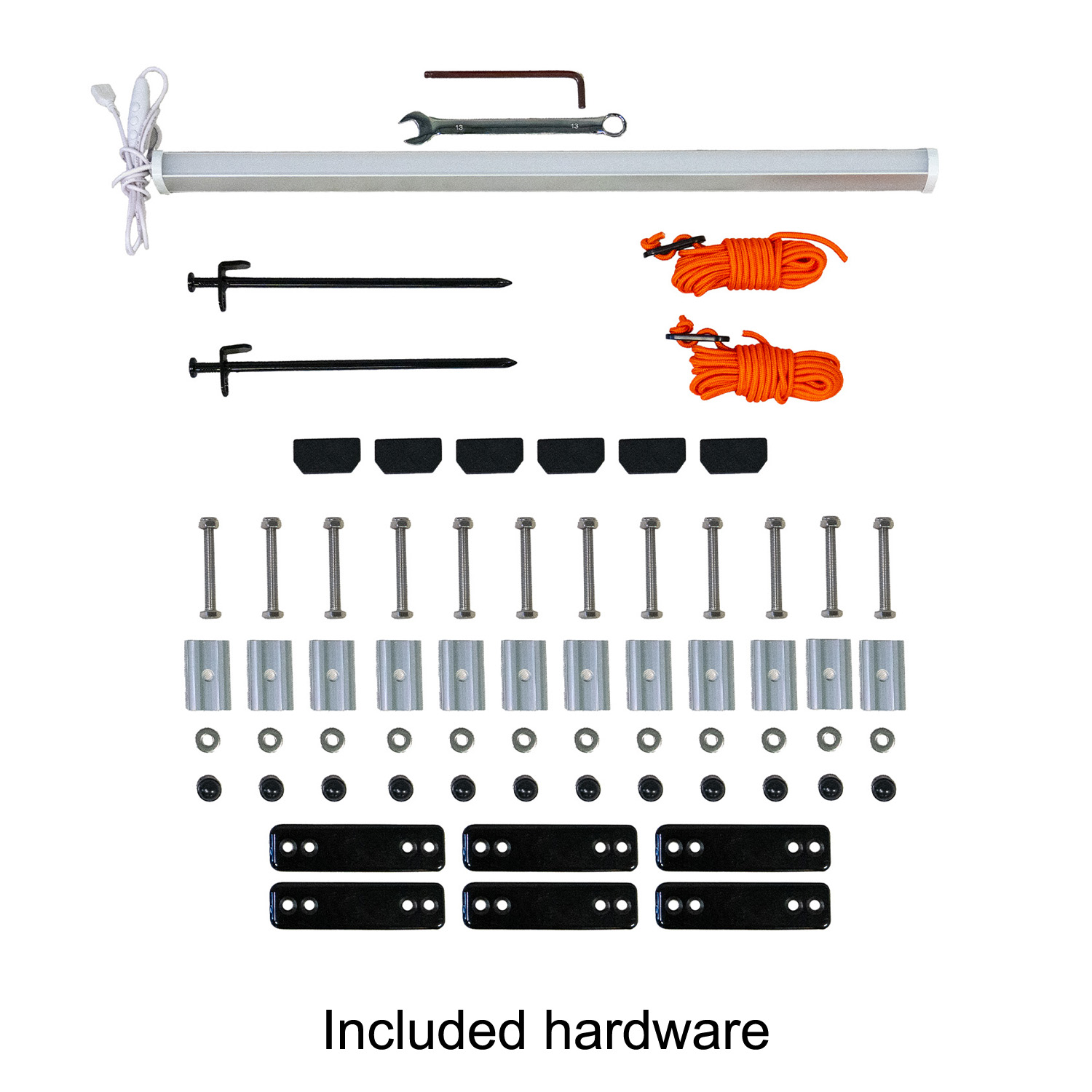
3. Ensure mounting hardware is properly torqued.
4. Distribute weight evenly across crossbars or platform racks.
5. Re-check hardware after initial installation and first drive.
Taking the time to install correctly protects both your vehicle, your investment, and the safety of others on the road.
If you’re exploring different tent options, you can browse our rooftop tent collection to compare weights and specifications before selecting a model that fits your vehicle’s limits.

Common Rooftop Tent Weight Myths
There are a few misconceptions that come up repeatedly.
Myth: My roof can’t support two adults.
Reality: Static load capacity when parked is typically much higher than dynamic load rating.
Myth: All vehicles have the same roof limits.
Reality: Ratings vary widely by manufacturer and model.
Myth: Rooftop tents are too heavy for passenger cars.
Reality: Many modern vehicles can safely support them with the right rack system.
Understanding the difference between moving and parked load ratings clears up most of the confusion.
Rooftop Tent Weight Limit FAQs
How much weight can a rooftop tent hold?
Rooftop tents are designed to support occupants when properly mounted to a compatible rack system. In most cases, the limiting factor is your vehicle’s dynamic roof load rating (while driving) and the combined weight of your tent + rack system.
What is a static roof load rating?
A static roof load rating is how much weight a vehicle’s roof can support while parked. This is the rating that applies when people are sleeping in a rooftop tent, and it’s typically much higher than the dynamic rating.
What is a dynamic roof load rating?
A dynamic roof load rating is how much weight the roof can safely support while the vehicle is moving. It accounts for driving forces like wind resistance, braking, cornering, and road impact—so it’s usually the more limiting number for rooftop tent setups.
Will a rooftop tent damage my car roof?
When installed with a compatible rack system and kept within your vehicle’s published load limits, rooftop tents should not damage your roof. Issues typically come from improper installation, uneven load distribution, or exceeding the vehicle’s dynamic roof rating.
Do rooftop tents affect gas mileage?
Yes. Any roof-mounted setup increases aerodynamic drag, which can reduce fuel efficiency—especially at highway speeds. Removing the tent when it’s not in use can help improve mileage.
Can you put a rooftop tent on a sedan?
Some sedans can support a rooftop tent, but it depends on the roof structure and manufacturer load rating. Always confirm your vehicle’s dynamic roof load rating and use a rack system rated for rooftop tent use before installing.
Roof Tent Weight Limits Final Thoughts
Your roof does not determine whether you can camp. How you prepare and what you use does.
Rooftop tent weight limits are not barriers. They are part of building a setup you can trust. When you understand static and dynamic load ratings, you are not just checking a box. You are making sure your vehicle is ready for long drives, rough roads, and quiet nights under the stars.
The goal is not just mounting a tent. It is creating a setup that lets you travel farther, park with confidence, and wake up wherever the road takes you.
With the right knowledge and the right gear, your vehicle becomes more than transportation. It becomes your basecamp and your gateway to adventure.
Happy Camping!

Enjoyed This Post?
Discover more tips, gear guides, product reviews, and overlanding insights from the 23ZERO team.
Explore the Blog →