




Vehicle Camping Guide: How to Camp Using Your Car, SUV, or Truck
February 4, 2026
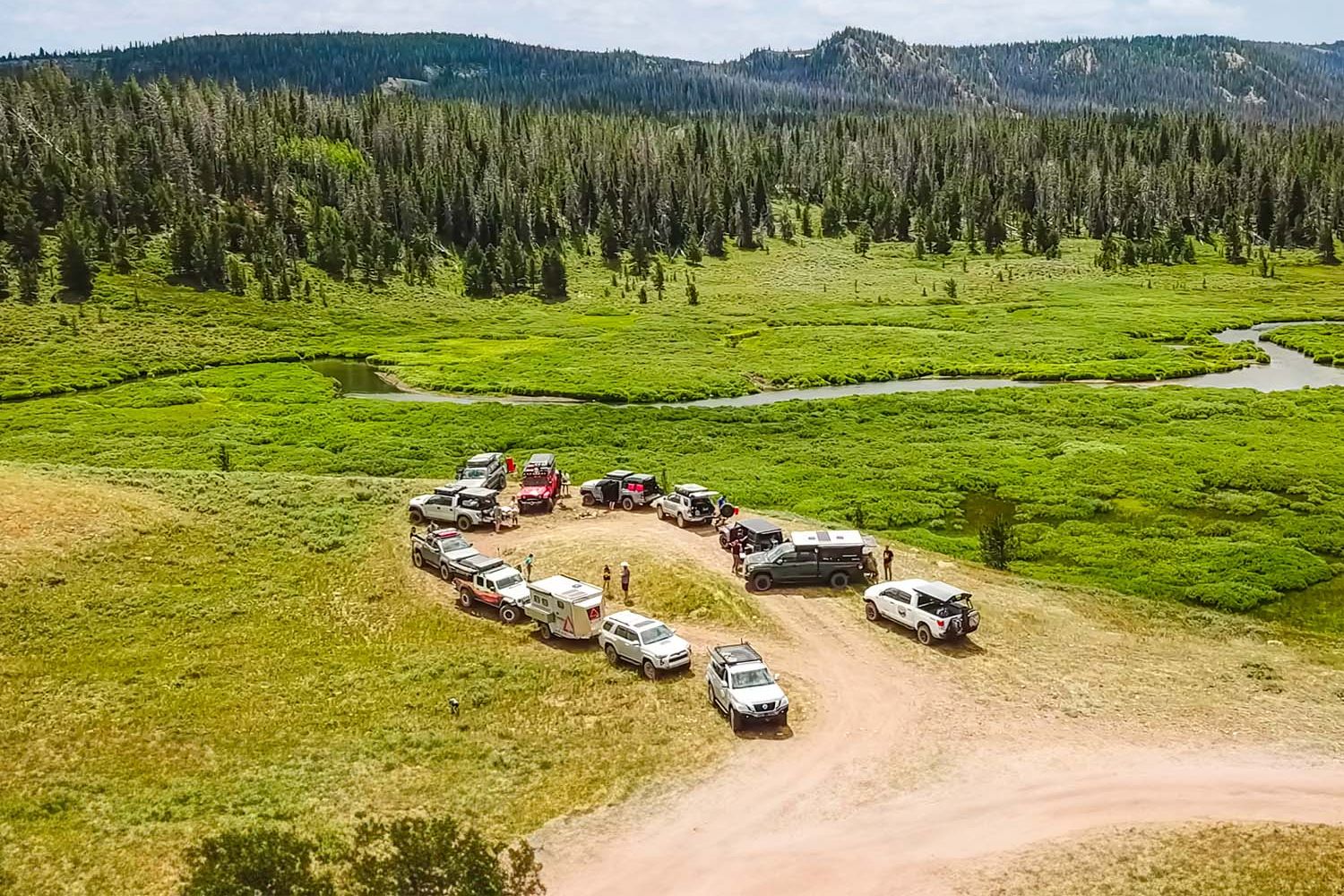
This vehicle camping guide explores why camping with your vehicle has become one of the most popular ways to get outdoors, and for good reason. Whether you drive a crossover, SUV, pickup truck, purpose-built overland rig, or you tow an overland trailer, vehicle-based camping offers flexibility, comfort, and the freedom to camp farther off the beaten path.
This guide breaks down what vehicle camping actually is, the types of vehicles that work best, and how to choose the right setup based on how you travel, not just what you drive. Let’s get into it.
What is Vehicle Camping?
Vehicle camping is any style of camping where your vehicle plays a central role in your shelter or sleep system.
That can mean:
- Sleeping inside your vehicle
- Sleeping on top of your vehicle with a rooftop tent
- Sleeping behind or beside your vehicle using a trailer or ground-based setup
Unlike traditional tent camping, vehicle camping prioritizes:
- Faster setup and breakdown
- Elevated or weather-protected sleeping areas
- The ability to move camp easily without packing everything up
For many people, vehicle camping is the bridge between casual weekend road trips and more advanced overlanding travel.


Common Types of Vehicle Camping Setups
There’s no single “right” way to camp with a vehicle. Most setups fall into one of these categories, all of which are covered in this vehicle camping guide.
Sleeping Inside the Vehicle
Some travelers choose to sleep inside their car, SUV or wagon by folding seats down and using a sleeping platform or air mattress. Ever heard of car camping? This is it.
Best for:
- Minimalist travelers
- Short trips
- Mild weather conditions
Limitations:
- Limited space
- Condensation and airflow challenges
- Requires clearing out gear each night
Rooftop Tent Camping
Rooftop tents mount to a roof rack or bed rack and provide an elevated, dedicated sleeping space above the vehicle.
Why people choose rooftop tents:
- Fast setup compared to ground tents
- Sleeping off the ground
- Better airflow and weather protection
- Keeps bedding stored inside the tent
This style is popular with SUV owners, truck owners, and overland travelers who want consistency and comfort.
Truck Bed Camping
Pickup trucks offer multiple camping options:
- Sleeping directly in the bed
- Truck bed tents
- Cot and swag setup
- Rooftop tents mounted over the cab or bed
This approach works well for travelers who want to keep their sleeping area separate from cargo and daily driving space.
Trailer-Based Camping
Some campers mount rooftop tents to small trailers instead of directly to their vehicle.
Benefits include:
- No roof load on the vehicle
- Ability to detach camp and explore unloaded
- More space for gear
This setup works well for longer trips or multi-person camps.
Types of Vehicles Commonly Used for Camping Guide
Your vehicle plays a major role in what kind of camping setup makes sense. In this vehicle camping guide we cover just that, let’s get into it. Here’s how different vehicle categories typically fit into vehicle-based travel.
Cars, SUVs and Crossovers
Vehicles like cars, crossovers and SUVs are some of the most common platforms for vehicle camping.
Why they work well:
- Enclosed cargo area
- Factory roof rails on many models
- Comfortable daily driving and long-distance travel
Things to consider:
- Roof load ratings
- Roof shape and crossbar spacing
- Payload capacity once passengers and gear are added
Many SUV owners choose rooftop tents to preserve interior space while keeping camp setup simple.
Pickup Trucks
Pickup trucks are incredibly versatile for camping, especially for longer trips.
Advantages:
- Dedicated cargo bed
- Can carry heavier gear more easily
- Compatible with bed racks, bed tents, and rooftop tents
Key considerations:
- Short bed vs long bed
- Bed rack height
- Tailgate access and clearance
Truck owners often build modular setups that allow them to adapt between daily use and camping mode.
Off-Road and Overland Vehicles
Purpose-built off-road vehicles are designed for rough terrain and extended travel.
Strengths:
- High ground clearance
- Durable suspension
- Strong accessory support
These vehicles often pair well with rooftop tents, awnings, and modular storage systems for multi-day trips.
Trailers and Towable Overland Platforms
Camping or overland trailers are gaining in popularity and can expand your setup without modifying your vehicle or compromising interior or exterior cargo space.
Best for:
- Families or group travel
- Longer basecamp-style trips
- Vehicles with limited roof capacity
Trailers allow you to keep camp established while using your vehicle for day trips.
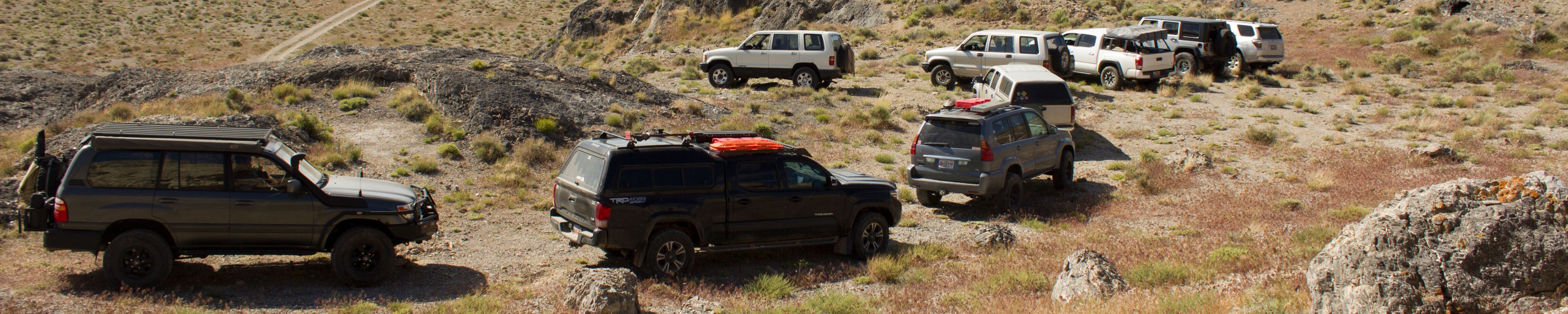
How to Choose the Right Vehicle Camping Setup
Instead of asking “What tent should I buy?”, start by asking yourself these questions in this vehicle camping guide:
How many people need to sleep?
→ Solo travelers, couples, and families all have different space requirements.
How often will you move camp?
→ Frequent moves favor fast-deploy systems like rooftop tents.
What type of terrain will you travel?
→ Off-road travel may limit trailer use and influence weight distribution.
How much gear do you carry?
→ Roof-mounted sleeping frees up interior cargo space or exterior truck bed space.
Do you use your vehicle daily?
→ Many people need a setup that transitions easily between daily driving and camping trips.
Your vehicle camping setup should support how you actually travel — not force you to work around it.
Common Vehicle Camping Mistakes to Avoid
Even experienced campers can run into issues. A few common pitfalls:
- Ignoring roof load ratings
- Overpacking without accounting for payload limits
- Choosing a setup that’s too complex for short trips
- Blocking rear access or tailgate functionality
- Underestimating wind and weather exposure
A thoughtful setup improves safety, comfort, and overall enjoyment.
Is Vehicle Camping Right for You?
Vehicle camping isn’t about replacing traditional camping — it’s about expanding your options.
If you value:
- Quick setup
- Flexible travel routes
- Comfortable sleeping
- Keeping gear organized and accessible
Then vehicle-based camping may be a great fit for your adventures. If you’re unsure, refer back to the vehicle camping guide anytime to make sure your decision is the right one.
Vehicle Camping FAQs
What is the best vehicle for camping?
There is no single “best” vehicle. The ideal camping vehicle depends on how many people you travel with, where you go, and how much gear you carry. SUVs, trucks, and off-road vehicles can all work well with the right setup.
Can any car be used for vehicle camping?
Most vehicles can support some form of camping, but not all vehicles are suitable for rooftop tents. Roof load ratings, roof design, and payload capacity should always be checked before adding equipment.
Is rooftop tent camping safe?
When installed correctly and used within weight limits, rooftop tents are a safe and proven option for vehicle camping. Proper mounting and quality roof racks are critical.
Do I need a roof rack for vehicle camping?
Not always. Sleeping inside a vehicle or using a trailer may not require a roof rack. Rooftop tents, however, always require a compatible rack system.
Is vehicle camping good for beginners?
Yes. Vehicle camping can be very beginner-friendly because it reduces setup time, keeps gear organized, and allows you to camp comfortably without extensive backpacking experience.
How much does a vehicle camping setup cost?
Costs vary widely depending on the setup. Vehicle camping can be as simple as sleeping inside your car or as advanced as a fully equipped overland system. Many people build their setup over time.
Can you camp in cold or wet weather with a vehicle setup?
Yes. Vehicle camping systems, especially rooftop tents, often provide better weather protection than traditional ground tents when paired with proper insulation, ventilation, and cold-weather gear.
Vehicle Camping Guide: Final Thoughts
In this guide we’ve talked about how vehicle camping is less about what you drive and more about how you travel. With the right setup, nearly any vehicle can become a capable basecamp for adventure. It’s not the rig or the vehicle that defines how you camp, it’s how you define your setup and the way you choose to travel.
As you explore different camping styles, vehicle types, and destinations, your setup will naturally evolve and that’s part of the never ending journey. We’re no stranger to that at 23zero, and we’re here for you every step of the way!
Happy Camping!

Enjoyed This Post?
Discover more tips, gear guides, product reviews, and overlanding insights from the 23ZERO team.
Explore the Blog →