




How to Store and Winterize Your Rooftop Tent
September 19, 2025

Fall is here and as the seasons change and colder weather sets in, many overlanders start thinking about how to store rooftop tents for the winter. For those in northern climates, freezing nights mean it’s time to clean, dry, and store your tent until spring. But in warmer regions — think Arizona, Florida, and much of California — overlanders may still be camping year-round and simply need to adapt their tents for cooler evenings.
How Do You Store a Rooftop Tent? A Step By Step Guide
For this post, we’re leaning on Curtis from our Customer Service team. In just a few simple steps you will learn how to store your rooftop tent, winterize it, care for it, and ultimately prolong the life of your investment. 23Zero rooftop tents are already MADE BETTER but we’ll share some expert tips on how to make them last even longer. Curtis has helped countless 23Zero customers with storage and winter-prep questions, and he’s sharing the same expert advice here that he gives on the phone every day. If you didn’t know, Curtis is from Texas and you can find the best breakfast burrito in New Mexico!
Step 1: Clean Your Tent Thoroughly
Fabric
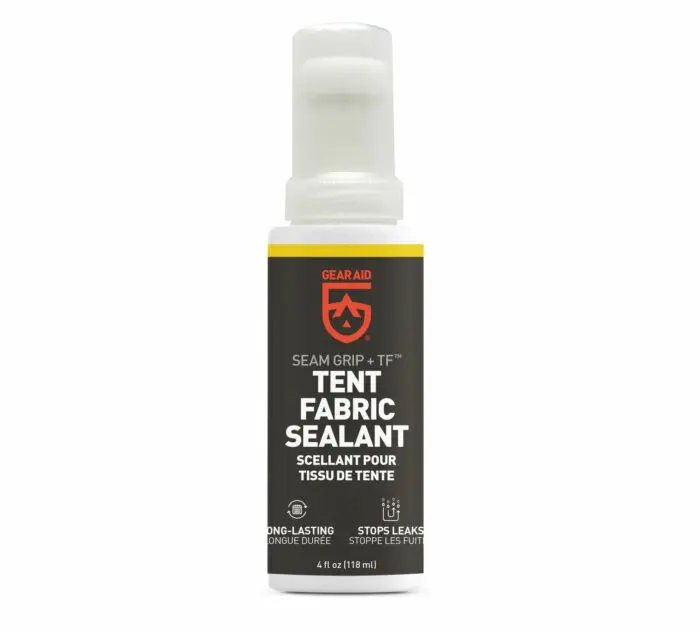
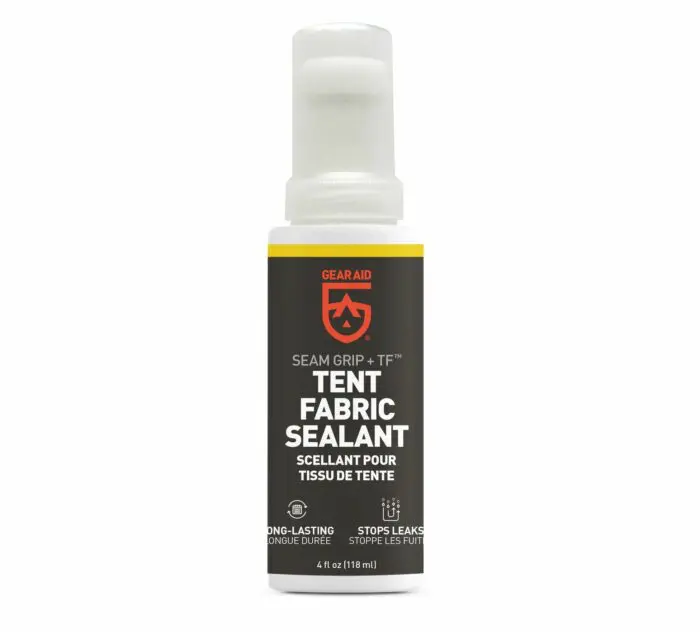
Curtis recommends wiping down the inside and outside with a damp cloth before you store your rooftop tent. For stains, use warm water and a mild detergent, then rinse with a clean, damp cloth. Always let the tent dry completely before putting it away—especially in wetter, colder regions like the Pacific Northwest or the Northeast, where trapped moisture can quickly lead to mildew. Inspect the fabric thoroughly and apply tent fabric sealant if needed.
Zippers
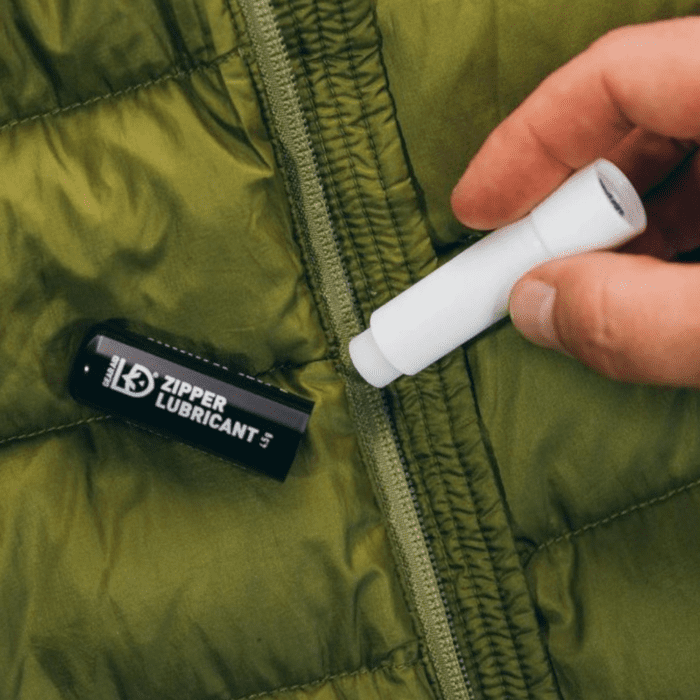
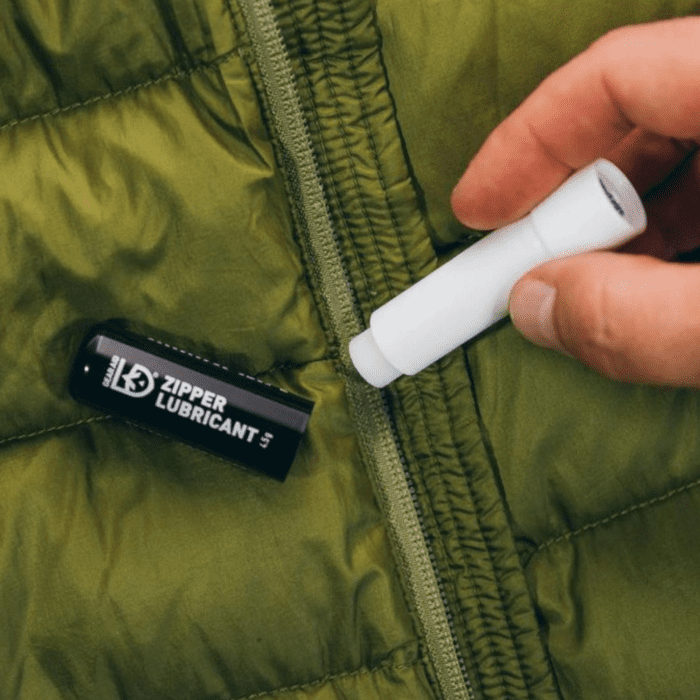
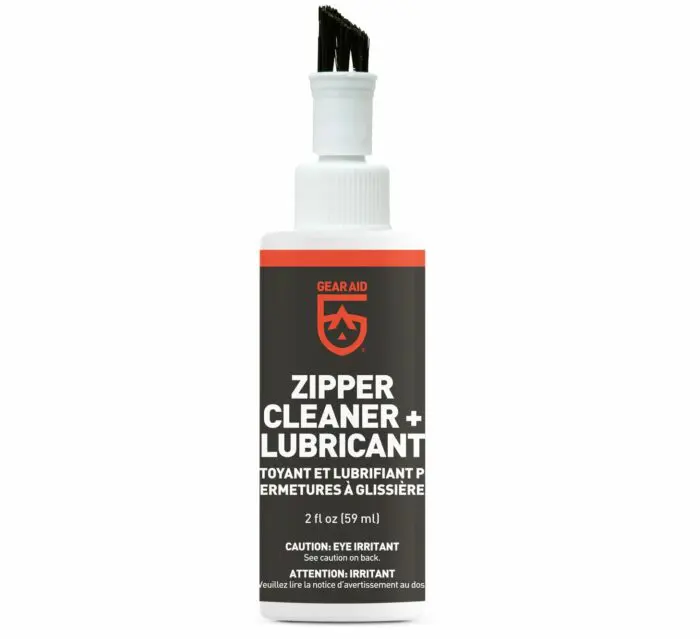
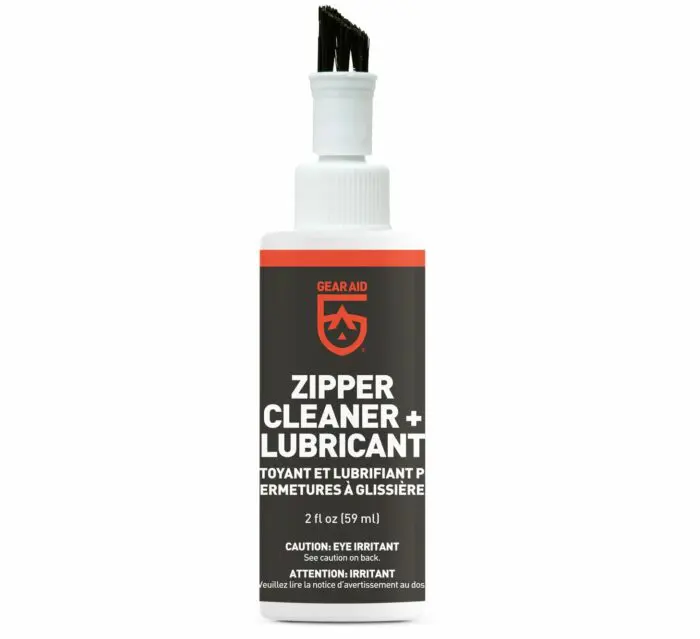
Use a toothbrush to remove grit, then apply zipper lubricant before you store your rooftop tent. Curtis often reminds folks in sandy regions like the Southwest to check zippers more frequently—fine dust and grit can be harder on them than rain or snow.
Mattress & Bedding
Remove the mattress and air it out, and wash bedding separately before you store your rooftop tent. In humid states like Florida, Curtis emphasizes letting everything dry completely before storage to prevent musty smells.
Interior
Sweep or vacuum out any dust or dirt. Lift up the mattress and clean out the corners and bottom of the tent.
Step 2: Care for the Soft Shell Transit Cover or Hard Shell Exterior
Softshell Covers
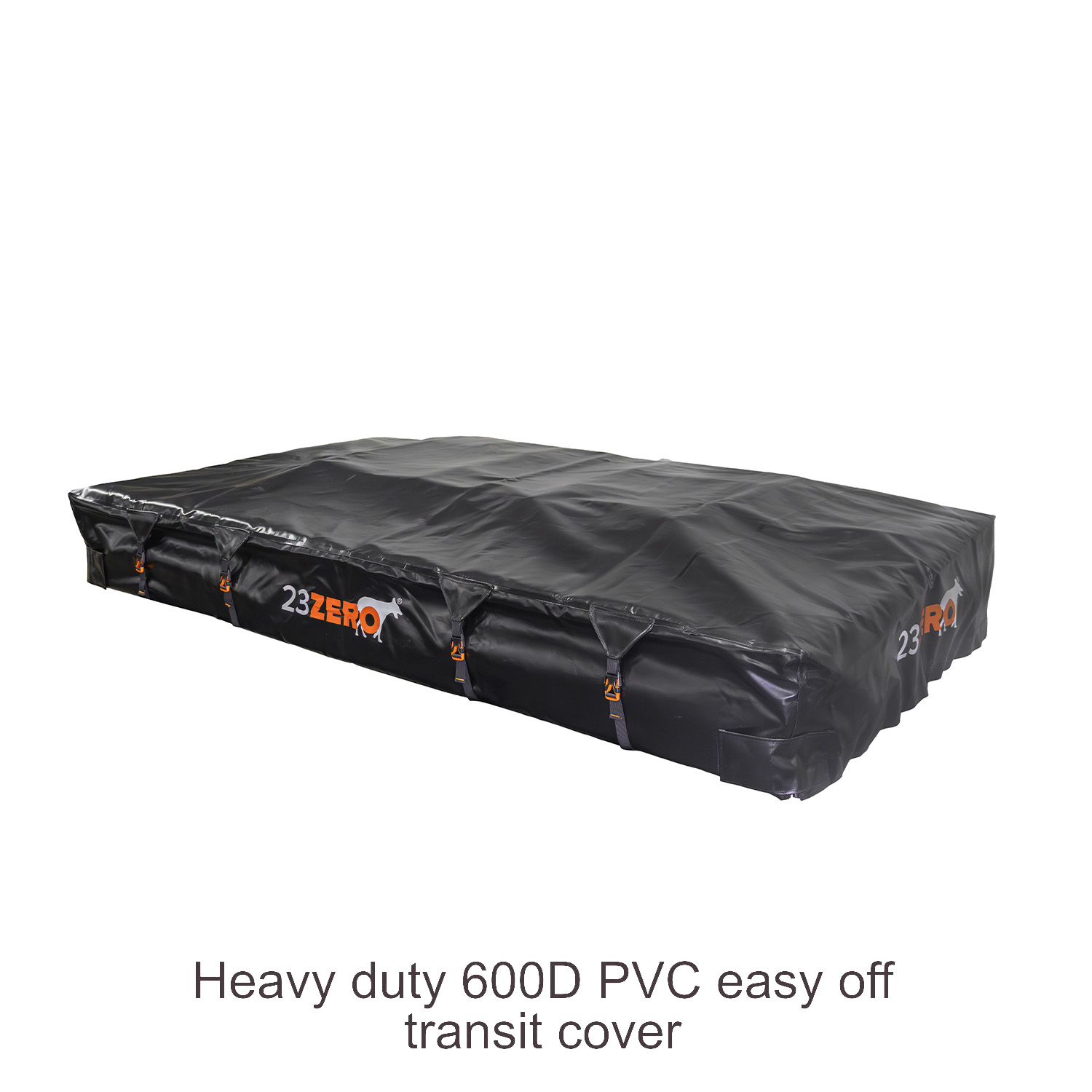
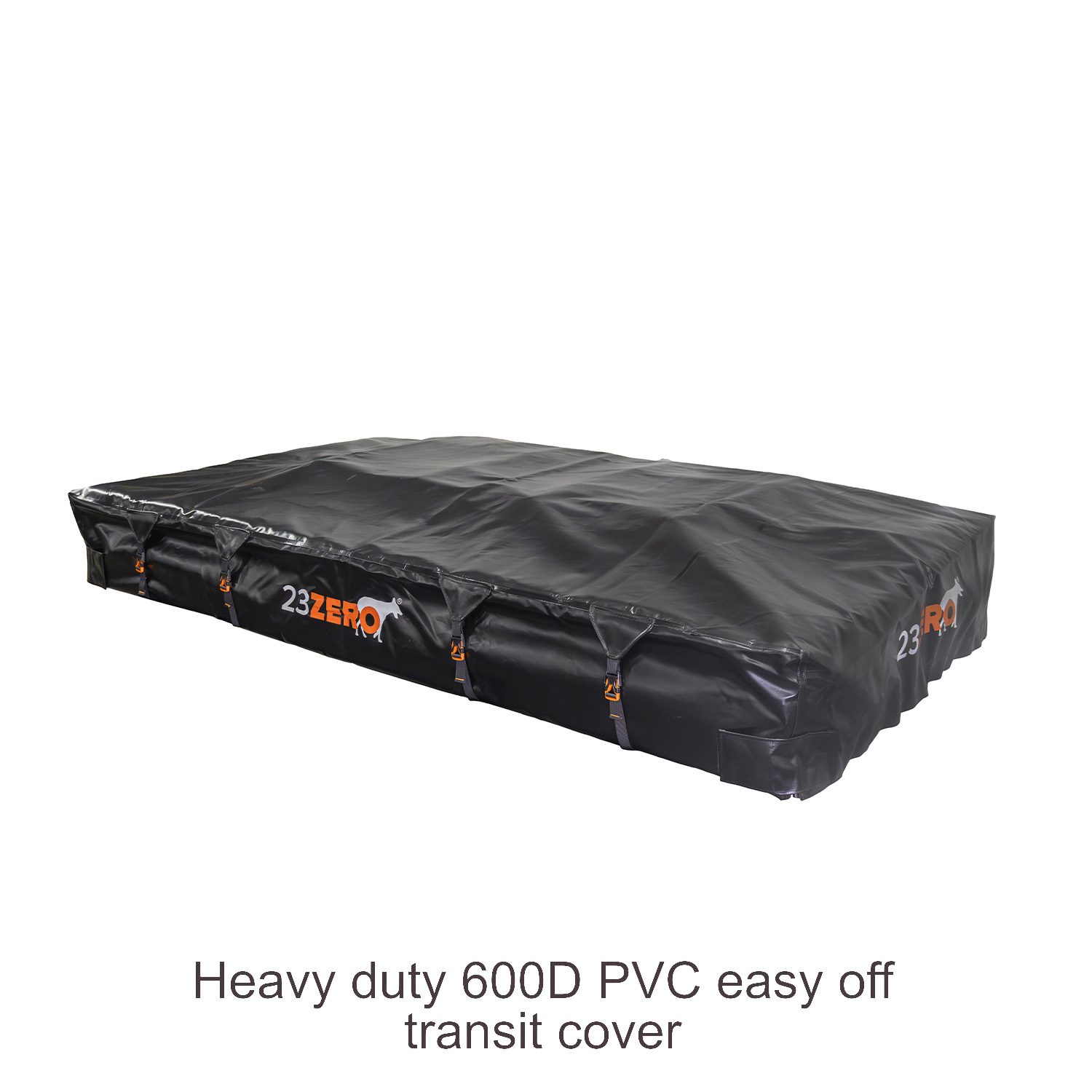
If you have a soft shell tent, wipe down the cover with a damp cloth and use a marine UV protectant that’s silicone-free. This is especially important in sunny climates like Arizona or Southern California, where UV exposure can be intense year-round. Curtis warns against using automotive “shine” products, which can damage PVC.
Hardshell Tents
If you’ve got a hardshell tent, Curtis suggests washing it with mild detergent and water, rinsing clean, and letting it dry thoroughly. If you live in snowy regions, make sure to store your hardshell out of direct exposure where ice buildup won’t occur. To protect aluminum, use a spray-on ceramic coating from your local automotive store.


Step 3: Keep Moisture in Check
Even if you packed your tent dry, moisture can sneak in—and the risks vary by region.
- In the Pacific Northwest or Northeast, high humidity and frequent rain mean it’s critical to air your tent out every few months.
- In coastal Florida, salt air combined with humidity can speed up corrosion and mildew growth.
- Even in dry climates like Arizona or New Mexico, condensation can build up when warm days turn into cold nights.
Curtis’s Pro Tip: Place desiccant packs in the corners of your tent to help absorb moisture, no matter where you are. Funny enough, those little packets you usually toss out of new shoe boxes actually have a real job here!
Step 4: Do a Quick Gear Check
When you open your tent, Curtis suggests taking a mental inventory before you store your rooftop tent:
- Are the window poles, snow poles, rainfly, stakes, and ropes all there?
- If you’re missing something, order early. Customers in northern regions sometimes get caught short when parts go out of stock in spring.
Winter Use: Camping in the Cold FAQ
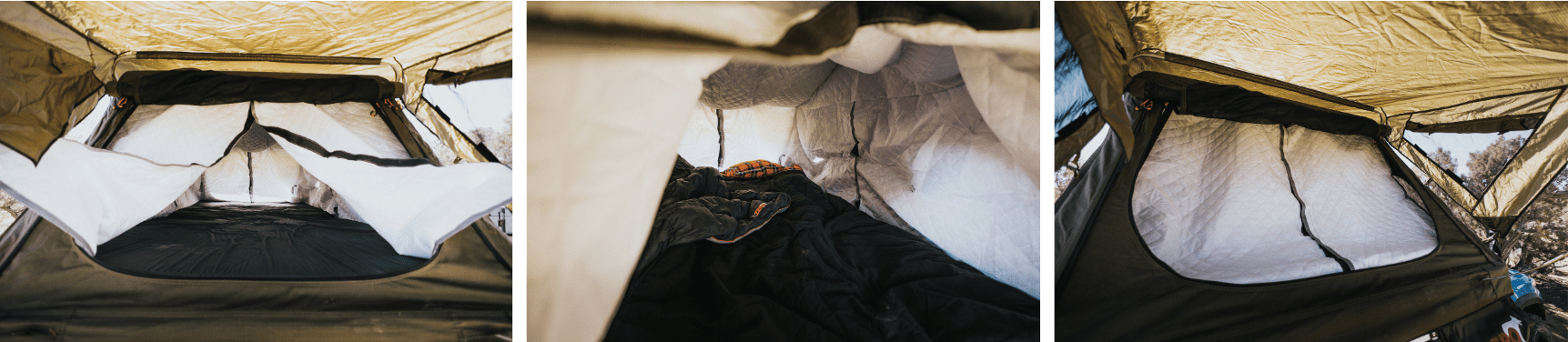
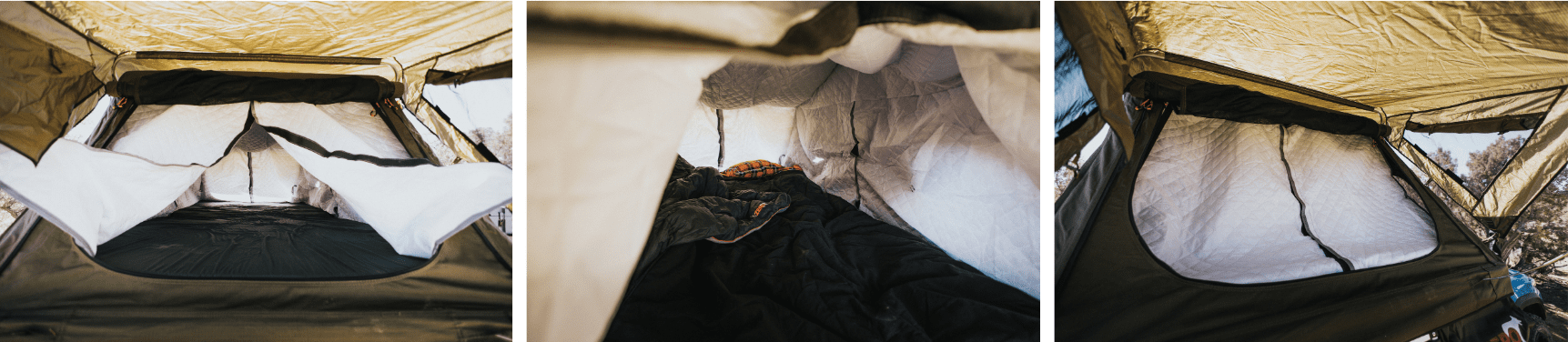
Some overlanders store their rooftop tents away once the first frost hits. But in places like Arizona, Florida, or Southern California, Curtis knows plenty of folks who keep camping all winter long. Have a soft shell rooftop tent? We make a winter liner that will keep you camping year round. Here’s what to keep in mind:
Q: Will a winter liner make my tent 4-season?
Not exactly. A winter liner helps insulate and hold heat, but your bedding is the real game-changer. Curtis reminds customers in desert climates—where nights can get surprisingly cold—to check sleeping bag ratings carefully. Need a warmer bag? Check out our 23Zero Royal Sleeping Bags, they’re rated to 25° Fahrenheit. They’re available in 3 different sizes and can be zipped together to make one huge sleeping bag!
Important Note: 23Zero’s Insulated Winter Liners are designed for our soft shell rooftop tents. If you have a hardshell tent, you’ll want to rely on cold-weather bedding and proper ventilation instead.
Q: Will a diesel heater cause condensation?
It can. In colder northern states, condensation is especially common because of temperature swings between inside and outside the tent. Curtis recommends:
- Ventilating by unzipping windows or doors slightly at the top. 23Zero rooftop tents provide ample airflow with panoramic windows use them to prevent condensation build-up.
- Storing wet gear outside. Don’t want moisture in your tent? Keep it out from the start!
- Relying on proper bedding rather than sealing the tent completely. Remember, ventilation is important.
Proof That Proper Rooftop Tent Care Pays Off
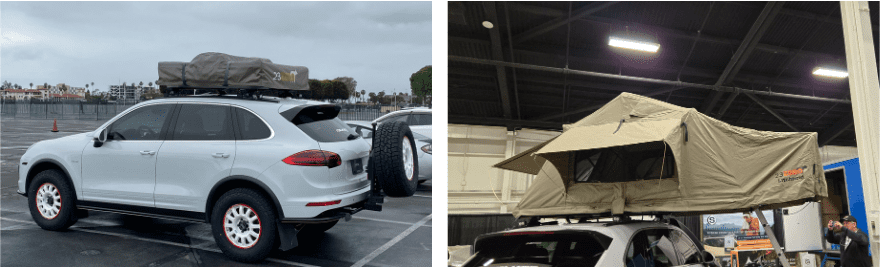
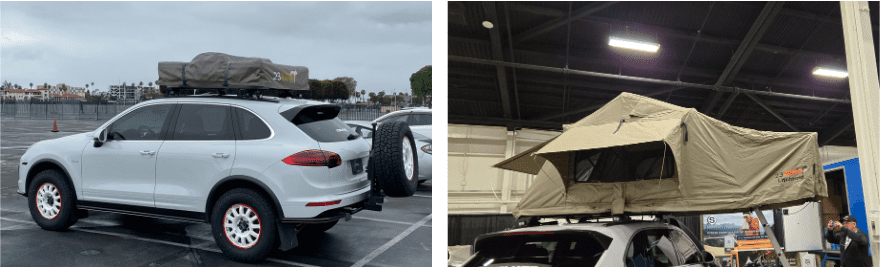
At Overland Expo SoCal 2025, we came across one of our very first rooftop tent models from 2016 “The Litchfield” — still in excellent condition and on full display at a vendor’s booth and all mounted on top of a Porsche Cayenne. Now you can see the importance of storing your rooftop tent correctly. Seeing it was a great reminder of what Curtis has been saying all along: when you clean, store, and maintain your tent properly, it can serve you well for many years.
Just like a classic car, a rooftop tent rewards the care you put into it. Treat it right, and it will be ready to take care of you on every adventure.
Final Thoughts: Why Store or Winterize Your Rooftop Tent?
Winterizing or storing your rooftop tent looks a little different depending on where you live. If you’re in northern states, proper cleaning, drying, and storage will keep your tent ready for spring. If you’re in sunnier climates like Arizona, Florida, or California, a winter liner and good bedding might be all you need to keep adventuring through cooler months.
Remember, 23Zero Insulated Winter Liners are only available for our softshell rooftop tents. If you own one, they’re a simple, cost-effective way to boost the warmth and comfort of your tent during winter camping. Instead of investing in a whole new cold-weather setup, a liner adds insulation that helps hold in heat, making chilly nights far more manageable without breaking the bank.
These are the same tips Curtis has shared with hundreds of 23Zero customers, and they’ll help you protect your investment no matter where you roam. Next time you ask yourself “How do I store a rooftop tent” you’ll have all the answers! So get out there, and enjoy your adventure no matter the season!
Happy Camping!

Enjoyed This Post?
Discover more tips, gear guides, product reviews, and overlanding insights from the 23ZERO team.
Explore the Blog →