




Jeep Rooftop Tent Guide for Wrangler & Gladiator Builds
May 28, 2026

Jeep vehicles have long been associated with freedom, exploration, and off-road capability, making them one of the most popular platforms for rooftop tent camping and overlanding. This Jeep rooftop tent guide explores what makes Wrangler and Gladiator models such capable adventure platforms, along with important setup considerations for building a reliable overland camping rig. Whether you’re building out a trail-ready Wrangler or a fully equipped Gladiator overland rig, the right rooftop tent setup can transform your Jeep into a capable basecamp for weekend escapes and extended adventures alike.
From remote forest roads to desert campsites and mountain trails, Jeep rooftop tent setups continue to grow in popularity thanks to the flexibility, aftermarket support, and rugged performance these vehicles offer. In this Jeep rooftop tent guide, we’ll explore why Wrangler and Gladiator models pair so well with rooftop tents, what to consider before building your setup, and how to choose the right tent for your style of adventure.
Why Jeep Vehicles Are Ideal for Rooftop Tent Setups
Few vehicles are as naturally suited for overlanding as Jeep platforms. Models like the Wrangler and Gladiator are designed to handle challenging terrain while still offering the practicality needed for camping gear, recovery equipment, and rooftop tent systems.
One of the biggest advantages of Jeep builds is customization. From roof rack systems and bed racks to suspension upgrades and storage solutions, Jeep owners have access to one of the largest aftermarket ecosystems in the off-road world. This flexibility allows rooftop tent setups to be tailored for everything from lightweight weekend camping to fully self-supported overland travel.
Jeep vehicles also provide exceptional trail access. Their compact dimensions, four-wheel-drive capability, and off-road-oriented design make them ideal for reaching campsites that traditional vehicles may struggle to access.
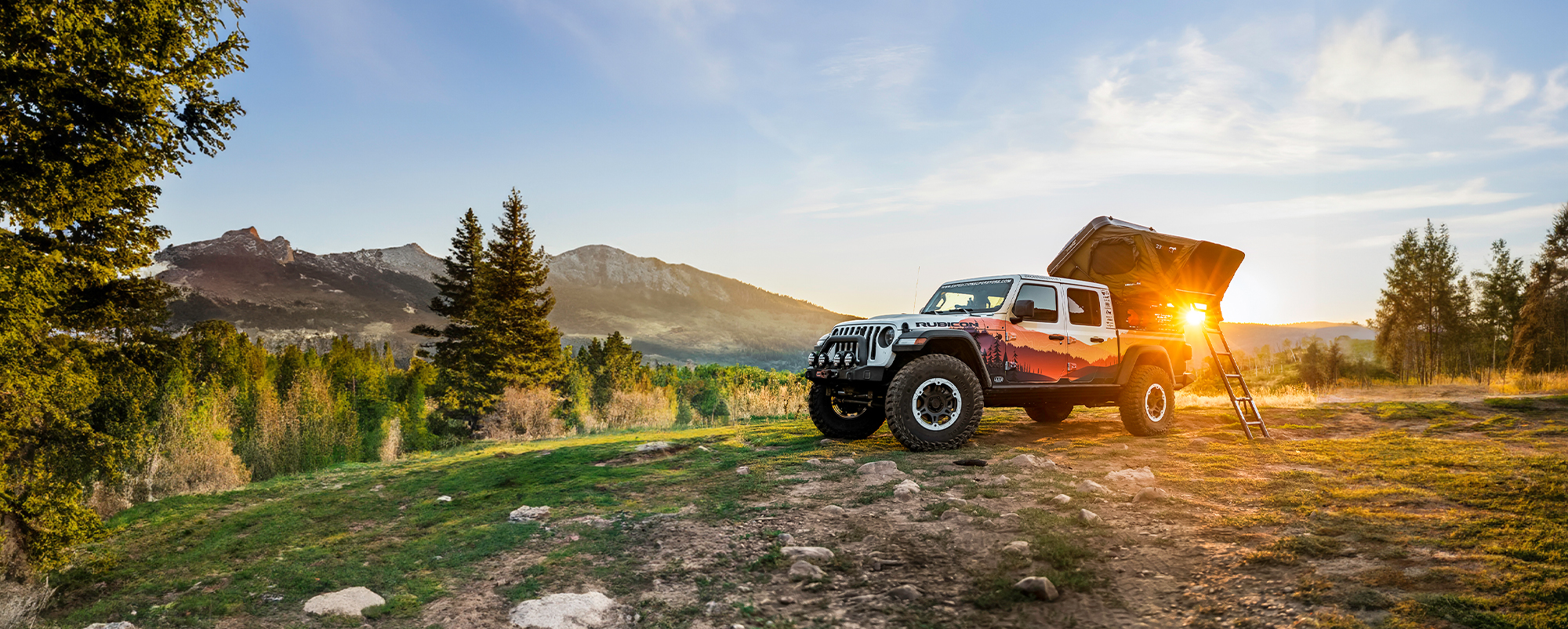

Jeep Wrangler Rooftop Tent Setups
The Jeep Wrangler has become one of the most recognizable overland vehicles on the road today. Its removable top, strong off-road performance, and wide range of aftermarket upgrades make it an appealing platform for rooftop tent camping.
Wrangler rooftop tent setups often focus on balancing off-road capability with camping comfort. Depending on the build, rooftop tents may be mounted above the cabin area or supported through external rack systems designed to better distribute weight and improve overall stability.
The Wrangler’s relatively compact footprint also makes low-profile rooftop tent options especially appealing. Many Jeep owners prefer streamlined setups that maintain trail clearance while minimizing wind resistance and additional vehicle height.
For drivers who frequently tackle narrow trails or technical terrain, keeping the setup lightweight and compact can help preserve the Wrangler’s agile handling characteristics while still providing a comfortable sleeping platform at camp.
Jeep Gladiator Rooftop Tent Setups
The Jeep Gladiator has quickly become one of the most popular modern overland platforms thanks to its unique combination of Jeep capability and pickup truck practicality.
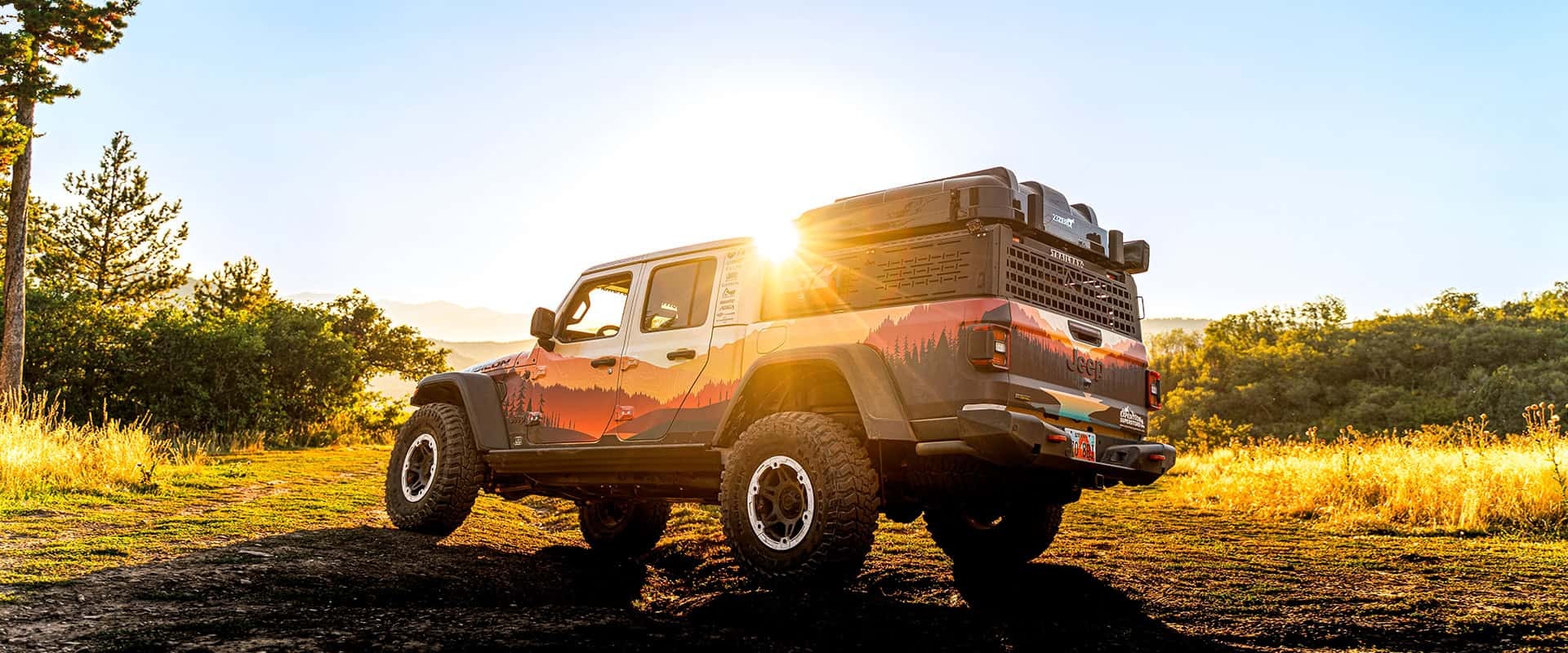
Unlike traditional SUVs, the Gladiator’s truck bed opens up additional possibilities for rooftop tent mounting and gear organization. Many overland builds utilize bed-mounted configurations that help centralize weight while creating easier access to camping equipment and storage systems below.
This layout also allows the cab area to remain more open while creating a highly functional overland setup that works well for both daily driving and extended trips.
Our own 2021 Jeep Gladiator, Roxanne, showcases how capable these builds can become when paired with the right camping gear and overland accessories. With a properly configured rooftop tent setup, Gladiator builds can comfortably support everything from weekend camping trips to multi-day overland travel.

Choosing the Right Rooftop Tent for Your Jeep
The ideal rooftop tent setup depends largely on how you plan to use your Jeep. Some drivers prioritize lightweight simplicity and fast deployment, while others focus on maximizing interior space and long-term camping comfort.
Hard shell rooftop tents are popular among Jeep owners looking for fast setup times, lower profiles, and improved aerodynamics. Their streamlined design works especially well for vehicles that spend significant time both on the highway and off-road.
Soft shell rooftop tents remain a strong option for campers who prioritize interior sleeping space and versatility. Many overland travelers appreciate the larger footprint and expandable design these tents provide during longer camping trips.
It’s also important to consider how much gear you typically carry, how often you camp, and the type of terrain your Jeep regularly encounters. A setup designed primarily for remote backcountry travel may look very different from one intended for occasional weekend adventures.
Recommended 23Zero Rooftop Tents for Jeep Camping Builds
Choosing the right rooftop tent depends on how you plan to use your Jeep. From lightweight trail-focused setups to fully equipped Gladiator overland builds, these are some of the 23Zero rooftop tents in this Jeep rooftop tent guide that pair exceptionally well with Wrangler and Gladiator platforms.
Armadillo Horizon Rooftop Tent
If convenience and fast deployment are priorities, the Armadillo Horizon is an excellent match for Jeep builds.
- Hard shell design with a streamlined profile
- Quick setup and pack-down
- Ideal for daily-driven Jeeps and weekend adventures
This tent works especially well for Jeep owners looking to maintain a clean and efficient overland setup without sacrificing comfort.
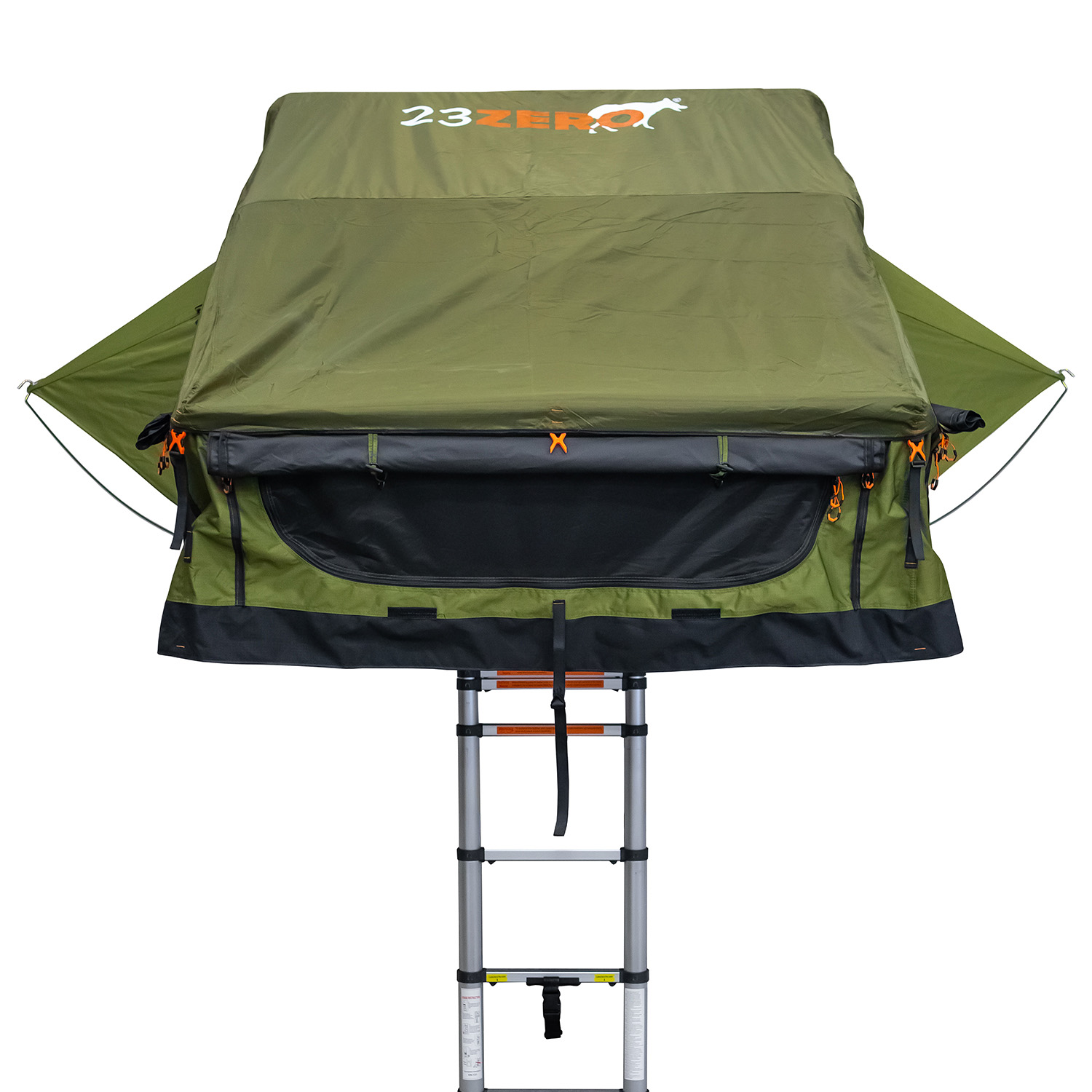
Walkabout Rooftop Tent
For campers who prioritize interior space and extended camping comfort, the Walkabout remains a strong option.
- Spacious sleeping area
- Comfortable for longer trips
- Excellent fit for Gladiator bed rack setups
The larger footprint pairs particularly well with Jeep Gladiator builds that have additional room for gear organization and overland accessories.
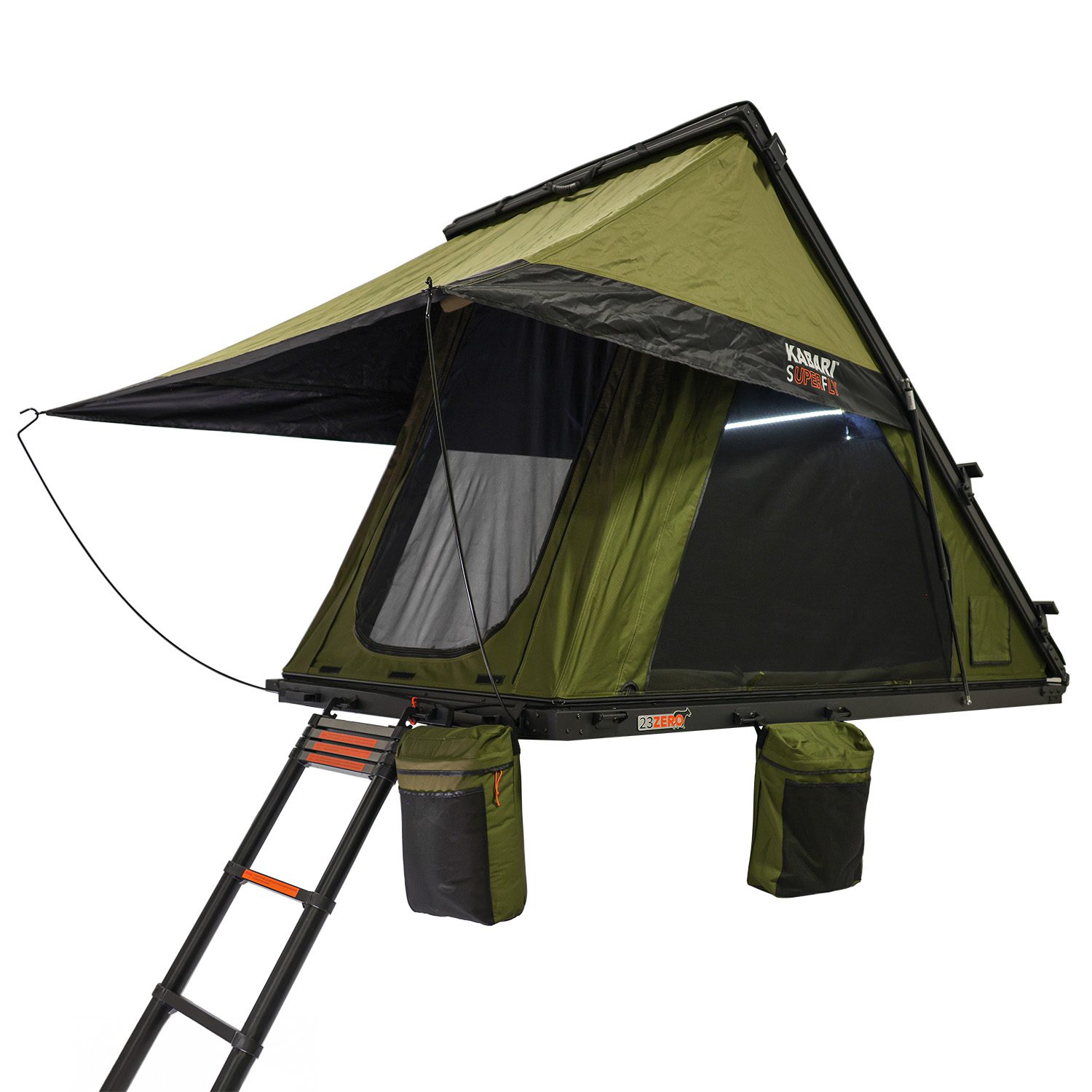
Kabari SuperFly Rooftop Tent
For Jeep owners focused on lightweight performance and a lower-profile setup, the Kabari SuperFly stands out.
- Lightweight wedge-style design
- Compact and aerodynamic profile
- Reduced drag and improved trail clearance
This is a great option for Wrangler and Gladiator owners who want a capable rooftop tent setup while keeping overall weight and height to a minimum.




Weight Distribution & Fitment Considerations
Before installing a rooftop tent on any Jeep platform, it’s important to understand the role weight distribution and mounting systems play in overall performance and safety.
Vehicle roof capacity alone should never be the only consideration. Understanding rooftop tent weight limits, reviewing your Jeep owner’s manual for factory load guidance, and using the proper supporting structure to mount the tent all play a major role in determining compatibility and long-term durability, especially when traveling off-road over uneven terrain.
Proper mounting systems help distribute weight more effectively while improving stability during both driving and camping use. This becomes particularly important on technical trails where additional vehicle movement and vibration are common.
Jeep owners should also consider how added weight may affect overall handling, fuel economy, garage clearance, and trail maneuverability.
Building a Jeep Overland Camping Setup
A rooftop tent is often just one part of a complete Jeep overland build. Many setups also include awnings, storage systems, camp kitchens, recovery gear, lighting, and additional equipment designed to improve comfort and self-sufficiency while traveling.
One of the biggest strengths of Jeep platforms is their ability to evolve over time. Many owners begin with a simple rooftop tent setup before gradually expanding their build as their camping style and travel experience grow.
Whether you’re planning short weekend escapes or longer overland adventures, the goal is ultimately the same: creating a reliable and comfortable setup that encourages you to spend more time exploring outdoors.
Before your next trip, download our free Car Camping Checklist to make sure you’ve packed everything from camping gear and recovery equipment to cooking supplies, clothing, and other campsite essentials.
Jeep Rooftop Tent FAQs
Can you put a rooftop tent on a Jeep Wrangler?
Yes. A Jeep Wrangler can support a rooftop tent when paired with a properly rated rack system. The rack matters more than the Jeep itself, especially for off-road travel where movement, vibration, and uneven terrain add extra stress.
Can you put a rooftop tent on a Jeep Gladiator?
Yes. The Jeep Gladiator is one of the most practical Jeep platforms for a rooftop tent because the truck bed allows for bed rack mounting, better gear organization, and a lower overall tent position compared to many roof-mounted setups.
Is a Jeep Wrangler or Jeep Gladiator better for a rooftop tent?
Both can work well, but they serve different needs. The Wrangler is compact and highly capable on tight trails, while the Gladiator offers more space, easier bed rack mounting, and better storage flexibility for longer overland trips.
Do you need a special rack for a Jeep rooftop tent?
In most cases, yes. A rooftop tent should be mounted to a rack or support system rated for the tent, occupants, and off-road use. Factory rails, light-duty crossbars, or unsupported hardtop mounting points may not be suitable for rooftop tent camping.
What is the best rooftop tent for a Jeep?
The best rooftop tent for a Jeep depends on how you use your vehicle. Hard shell tents like the 23ZERO Armadillo Horizon are great for fast setup, soft shell tents like the Walkabout offer more interior space, and lightweight wedge-style tents like the Kabari SuperFly are ideal for lower-profile builds.
Are rooftop tents safe on Jeeps?
Rooftop tents are safe on Jeeps when installed correctly with a properly rated mounting system. Always check your rack’s dynamic and static weight ratings, follow installation instructions, and account for the added height and weight when driving off-road.
Will a rooftop tent affect Jeep handling?
Yes. A rooftop tent adds weight above the vehicle, which can affect handling, braking, cornering, fuel economy, and off-road stability. Keeping the tent as low and balanced as possible helps maintain better drivability.
Can you daily drive a Jeep with a rooftop tent?
Yes. Many Jeep owners daily drive with a rooftop tent installed, especially with lower-profile hard shell or wedge-style tents. Just remember that the added height, weight, and wind resistance may affect fuel economy, parking clearance, and overall handling.
Final Thoughts
Jeep vehicles continue to be one of the best foundations for rooftop tent camping and overland travel. In this Jeep rooftop tent guide we’ve covered the legendary Wrangler to the increasingly popular Gladiator, these platforms offer the capability, flexibility, and aftermarket support needed to build highly functional camping setups for nearly any style of adventure.
Whether you’re just beginning your first overland build or refining an existing setup, choosing the right rooftop tent can help unlock new destinations and make every trip more comfortable along the way.
Browse our collection of Jeep rooftop tents to explore options designed for Wrangler, Gladiator, and other adventure-ready Jeep platforms.
Happy Camping!

Enjoyed This Post?
Discover more tips, gear guides, product reviews, and overlanding insights from the 23ZERO team.
Explore the Blog →